


Asian Scientist Newsroom

ABOUT
Asian Scientist Magazine is an award-winning science and technology magazine that highlights R&D news stories from Asia to a global audience. The magazine is published by Singapore-headquartered Wildtype Media Group.
Stories by Asian Scientist Newsroom
An A-Peeling Way To Recycle Batteries
Orange peels are an environmentally-friendly alternative to harmful chemicals and high temperatures used in conventional lithium-ion battery recycling processes.

Akira Kouchi & Naohiro Yoshida Win 2020 Miyake Prize
Two Japanese researchers have been awarded the 2020 Miyake Prize, which honors outstanding contributions in the field of materials science or earth and planetary science.

Key Antibody Targets Of SARS-CoV-2 Identified
Researchers in Hong Kong have discovered that focusing on antibodies against ORF3b and ORF8 could lead to a rapid antibody test that is both highly sensitive and specific.
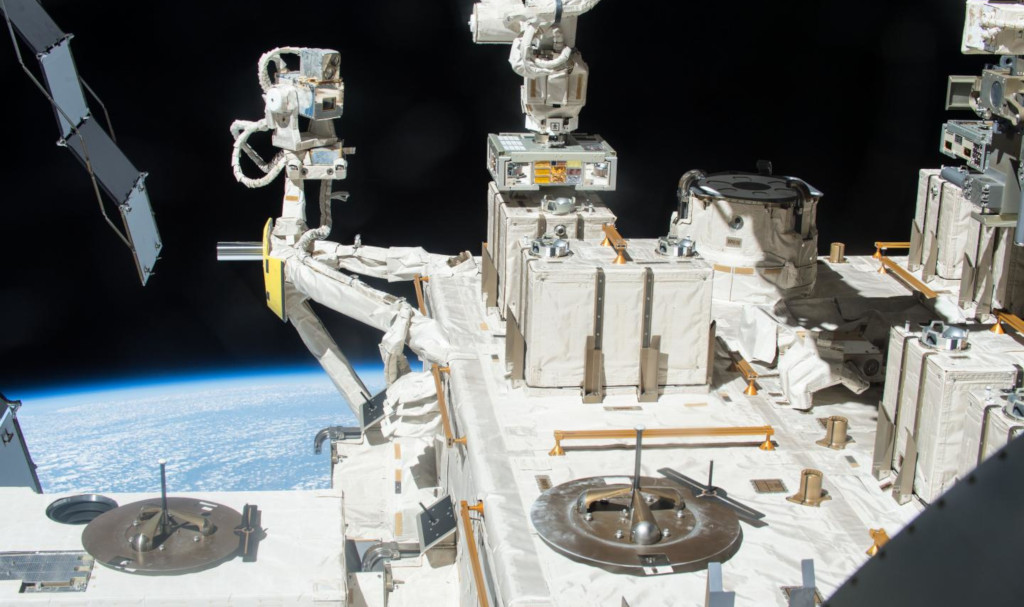
Bacteria Clumps Could Survive 8 Years In Outer Space
The Tanpopo space mission has revealed that bacteria could survive travel between Earth and Mars in the form of aggregates.

FAST Sheds Light On Extragalatic Dark Matter
FAST, the world's largest telescope, has detected neutral hydrogen emission from extragalactic galaxies for the first time.

Charging Medical Implants With Light
In the future, implanted medical devices like pacemakers could be wirelessly charged through LED patches on the skin.
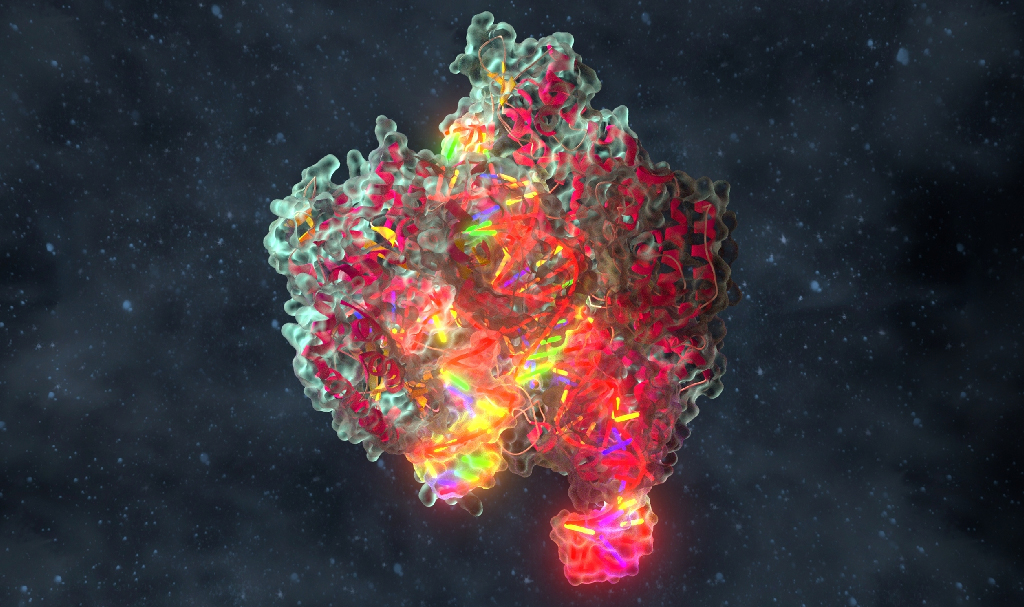
Mutating Cas9 To Improve CRISPR Accuracy
Researchers have modified the Cas9 enzyme to create a version that is 93 times more accurate than what is found in nature.

Human iPSCs Spur Malaria Research
Human liver cells derived from induced pluripotent stem cells have helped scientists studied an elusive stage of the Plasmodium vivax parasite’s life cycle.

Hiding Images From Prying AIs
Researchers in Singapore have developed a way of distorting images so that they will not be recognized by machines but are still intelligible to humans.