


Asian Scientist Newsroom

ABOUT
Asian Scientist Magazine is an award-winning science and technology magazine that highlights R&D news stories from Asia to a global audience. The magazine is published by Singapore-headquartered Wildtype Media Group.
Stories by Asian Scientist Newsroom
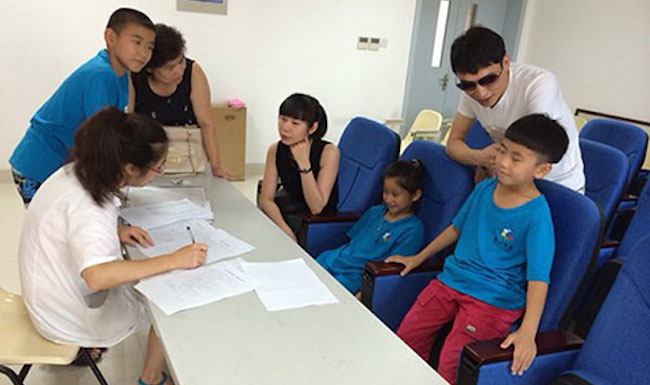
Parental Absence Might Affect Brain Development
Children left without parental care for six months or more show changes to their brain structure linked to lower IQ.

Stone Man Syndrome Linked To Inflammation
Induced pluripotent stem cells have helped scientists uncover a new mechanism for the development of Stone Man Syndrome, narrowing down the search for much needed therapies.

Scientists Reverse Dog Dementia With Stem Cell Therapy
Using its own stem cells, scientists have reversed the symptoms of an Alzheimer's-like condition in a dog.

Does A Pony See What We See?
Like humans, ponies judge the size of objects using length rather than area, scientists have found.

Singapore Universities Establish First Joint PhD For Engineers
Students seeking to do a PhD in engineering in Singapore now have the option of a joint degree from the National University of Singapore and the Singapore University of Technology and Design.
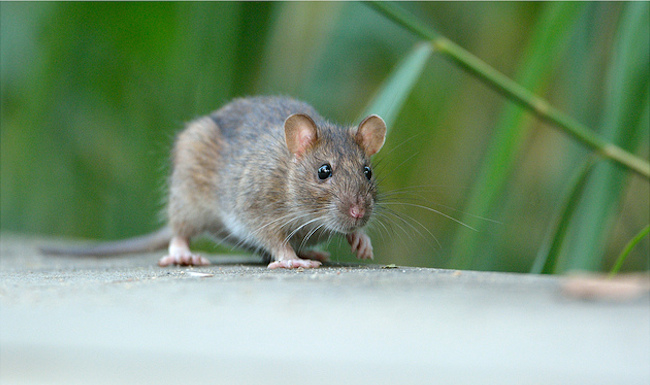
Sniff ‘N’ Track Or Run ‘N’ Scan?
In familiar environments, the ‘run-and-scan’ strategy is a more efficient way of finding food, at least according to mathematical models.
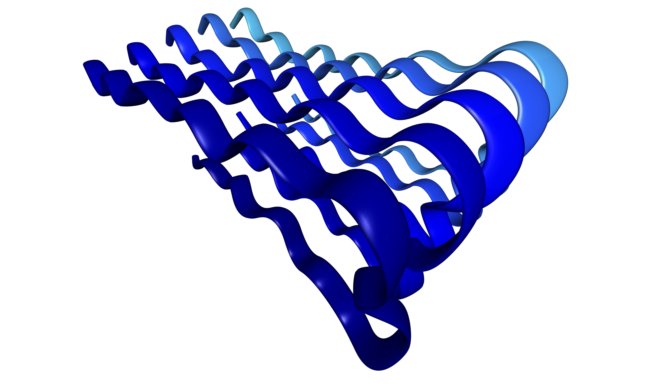
An Alternative Way To Suppress Aβ In Alzheimer’s
Targeting TRPC6 instead of γ-secretase could be a promising way of treating Alzheimer's disease, according to a study in mice.

Astronomers Reach For The Planetary Nebulae
Astronomers have developed a method to measure the size of planetary nebulae that works over a factor of more than six powers of ten in surface brightness.

Quickly & Cheaply Distinguishing Chemical Lookalikes
Researchers have developed a versatile method to identify biologically important chiral compounds through NMR.