


Asian Scientist Newsroom

ABOUT
Asian Scientist Magazine is an award-winning science and technology magazine that highlights R&D news stories from Asia to a global audience. The magazine is published by Singapore-headquartered Wildtype Media Group.
Stories by Asian Scientist Newsroom

Jackie Ying Wins Mustafa Prize Scientific Achievement Award
Professor Jackie Ying, executive director of the Institute of Bioengineering and Nanotechnoloy, has been awarded the 2015 Mustafa Prize Top Scientific Achievement Award.

Eye Contact Synchronizes Brain Activity
Gazing into another person's eyes can cause synchronized brain activity, researchers say.

China’s Smallest Bubble-Like Mushrooms
Three new species of tiny bubble-like mushrooms have been discovered in China.
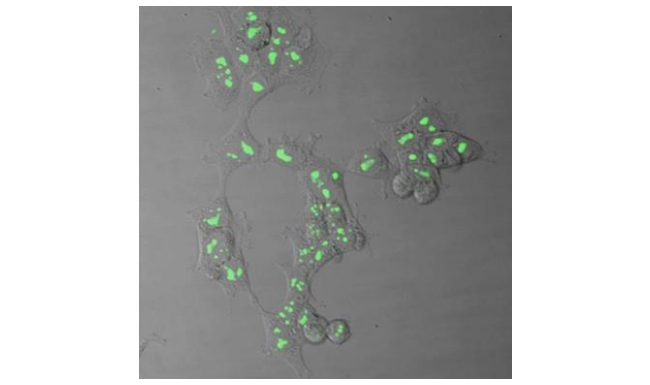
Knocking In Genes Without Homologous Recombination
Gene editing just got simpler, thanks to a technique that bypasses the step of homologous recombination.

Fish Oil Switches Fat Cells From Storage To Burning
Mice fed with fish oil additives gained less weight and showed an increase in fat burning beige cells.

Help For Parents Of Autistic Children In India and Pakistan
A program for parents and non-specialist health workers could help autistic children in the developing world.
Dysentery Bacteria Use Sugars To Stick Around
Shigella flexneri bacteria, which cause millions of episodes of dysentery each year, use their cell surface sugars to bind to human cells.

CiRA & Takeda Announce Joint iPS Cell Research
Takeda, Japan's largest pharmaceutical company, will provide US$166 million of funding for iPS research over the next ten years.

First Dengue Vaccine In Asia Approved In The Philippines
Dengvaxia®, the world's first dengue vaccine, has been approved for use in the Philippines.