


Asian Scientist Newsroom

ABOUT
Asian Scientist Magazine is an award-winning science and technology magazine that highlights R&D news stories from Asia to a global audience. The magazine is published by Singapore-headquartered Wildtype Media Group.
Stories by Asian Scientist Newsroom

Gaps In Young Star’s Gas Disk Could Indicate Baby Planets
Two gaps in the gas disk around the young star, HL Tauri, are evidence of what might be newly-formed planets—challenging the belief that planets take millions of years to form.

Dengue Hotspots More Likely To Spread Zika Virus: Study
Subtropical and tropical countries with a history of mosquito-borne diseases have the greatest risk of the virus spreading once it hits the country.

BGI, Clearbridge BioMedics To Collaborate On Liquid Biopsy Technology
The technology requires only a simple blood draw for 'omics analysis or genetic profiling at the single cell level.

National University Of Singapore Launches Hub For Data Science
The research center will provide 50 scholarships over five years to train PhD students in data science and data analytics.

Need To Stop A Bacterial Invader? Pull On Its Tail
A protein called Lypd8 defends the body from inflammation by binding to the bacterium's tail and stopping it in its tracks.
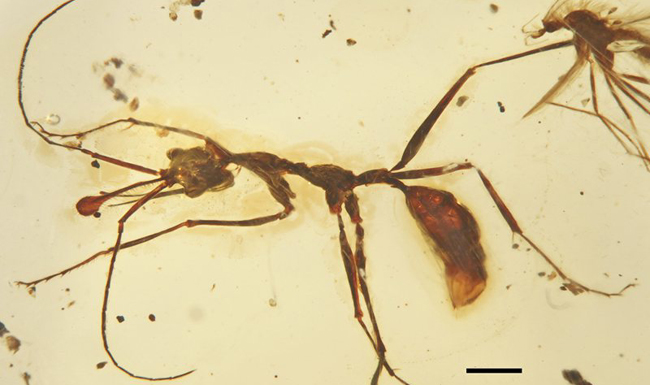
Ancient ‘Unicorn’ Ant Trapped Prey With Its Giant Horn
The bizarre-looking ant, preserved in 99-million-year-old Burmese amber, had a prominent horn and exaggerated, scythe-like mandibles.

7 Must-Read Stories In May 2016
From a Zika expert’s insights to India’s thrifty space spending, here are the stories that attracted the most clicks in May.

As Ocean Temperatures Rise, So Have Squid & Octopus Numbers
The number of cephalopods—octopus, cuttlefish and squid—has increased in the world’s oceans over the past 60 years, possibly due to their ability to adapt to changes in the environment.

Smoking Weed Linked To Gene Mutation Risk
Smoking weed may lead to DNA mutations that can be passed on to one's children, says this study.