


Asian Scientist Newsroom

ABOUT
Asian Scientist Magazine is an award-winning science and technology magazine that highlights R&D news stories from Asia to a global audience. The magazine is published by Singapore-headquartered Wildtype Media Group.
Stories by Asian Scientist Newsroom

Ultra-Thin Solar Cells That Can Wrap Around A Pencil
Researchers have developed ultra-thin solar cells that are much thinner than a human hair and can potentially be used in wearable technology.

Astellas, UTokyo To Collaborate On Cholera Vaccine
The partnership will develop a rice-based oral vaccine against cholera and E. coli-related diarrheal diseases.
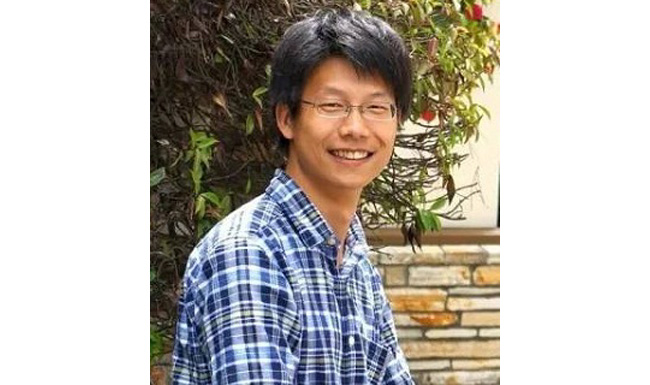
Chinese Particle Physicist Wins Young Scientist Award For Neutrino Discovery
Particle physicist Wen Liangjun has won IUPAP's 2016 Young Scientist Award for his role in the discovery of the non-zero neutrino mixing angle θ13.

Yes, The ‘Pregnancy Waddle’ Exists, Say Researchers
The study used 3D motion capture to create biomechanical models of pregnant women and show why they walk differently.

MIT Technology Review’s Regional ‘Innovators Under 35’ Returns
Innovators under the age of 35 from Southeast Asia, Australia, New Zealand and Taiwan can now apply for the regional 2017 Innovators Under 35 list.
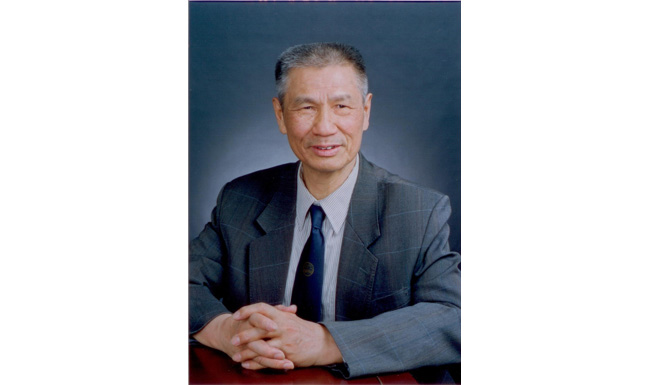
Chinese Atmospheric Scientist Wins Meteorological Prize
Professor Zeng Qingcun was recognized for his contributions to satellite meteorological remote-sensing theory and numerical weather prediction theory, among others.

Southeast Asia Is Ground Zero For Artemisinin Resistance, According To Map
In Southeast Asia, resistance is presumably due to the fact that there are far fewer cases of malaria so that selection pressure is greater.

ASLAN’s Varlitinib Receives Orphan Drug Designation For Gastric Cancer
Varlitinib previously received orphan drug designation for cholangiocarcinoma in August 2015.
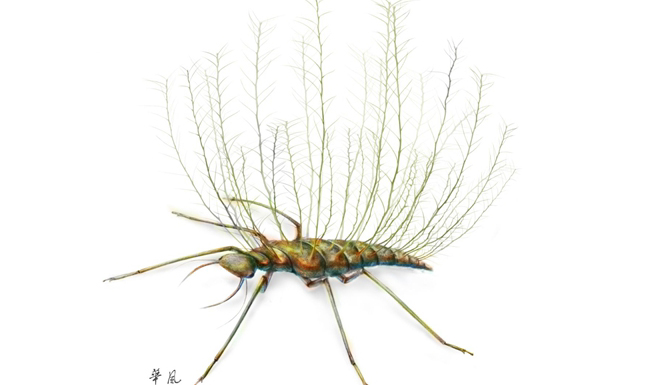
Insect Camouflage Behavior Dates Back To The Cretaceous
Fossils of green lacewings and other insects dating back to the mid-Cretaceous show how they evolved to carry debris as camouflage.