


Asian Scientist Newsroom

ABOUT
Asian Scientist Magazine is an award-winning science and technology magazine that highlights R&D news stories from Asia to a global audience. The magazine is published by Singapore-headquartered Wildtype Media Group.
Stories by Asian Scientist Newsroom

Rare Butterflies Are Poor Urbanites
Ecologists have unlocked the secret lives of butterflies fluttering around Hong Kong's parks, providing insight into how rare species are affected by urbanization.
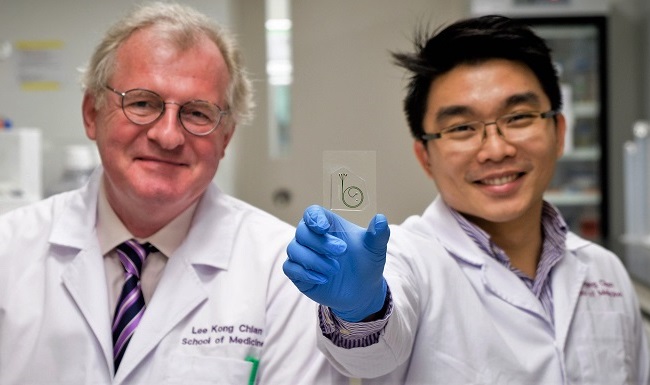
This Chip Can Detect Inflammation In Diabetics
Researchers in Singapore have developed a quick test to detect inflammation in diabetic patients.

UK, South Korea Partner On Developing 5G Technology
The South Korean government is collaborating with a research center in the UK on delivering 5G mobile communications and wireless connectivity technology.

AbbVie Opens API Manufacturing Facility In Singapore
The new manufacturing site in Singapore, AbbVie's first in Asia, will expand the company’s global operations for small molecule and biologics manufacturing.

Scientists Find Region In Mouse Brain That Works Like GPS
Scientists in Japan have discovered a region of the mouse brain that acts like a GPS navigator in the absence of a sound cue signaling the location of a reward.

Medicinal Plant Compound Shrinks Prostate Tumors In Mice
A compound derived from the neem plant, which is typically used in Indian Ayurvedic medicine, has been shown to reduce prostate cancer tumor size by 70 percent in mice.

The Milky Way’s Sun-Facing Spiral Is Bigger Than We Thought
The spiral arm of our galaxy that is closest to the Sun stretches for approximately 20,000 light years, significantly larger than previous estimates.

Five APAC Scientists Predicted To Win 2016 Nobel Prize
Five scientists from Asia Pacific institutions or countries of origin have been chosen by Thomson Reuters as its 2016 Citation Laureates.

92% Of People Live Where Air Pollution Is Dangerously High
90 percent of air pollution-related deaths occur in low- and middle-income countries, with nearly two out of three occurring in WHO’s Southeast Asia and Western Pacific regions.