


Asian Scientist Newsroom

ABOUT
Asian Scientist Magazine is an award-winning science and technology magazine that highlights R&D news stories from Asia to a global audience. The magazine is published by Singapore-headquartered Wildtype Media Group.
Stories by Asian Scientist Newsroom

Transgenic Female Silkworms Produce Sperm: Study
After embedding a male sex gene into the genome of female silkworms, they underwent an apparent sex change and started producing sperm.

Sweet! Scientists Decode Genome Of Chinese Licorice
Interestingly, Chinese licorice, which is closely related to the plant used for licorice candy, codes for many more proteins than the human genome.

Regions At High Risk Of Tsunamis Change Over Time: Report
Based on tsunami data spanning 400 years, it’s clear that modern tsunami risk regions differ from historical evidence.

Stress-busting Protein Also Makes Breast Tumors More Aggressive
An enzyme that helps breast cancer cells regulate their oxidative stress levels can also make them more aggressive, according to this study.

This Newly-Discovered Orchid’s A ‘Cheater’
Do not be deceived by its delicate looks—this species of orchid lives off nutrients obtained via a bizarre, symbiotic plant-fungi relationship.

Greenhouse Gases Are Sizzling Up Northeast Asia
Increases in hot temperature extremes in Northeast Asia will probably continue for the next few decades, a study predicts.
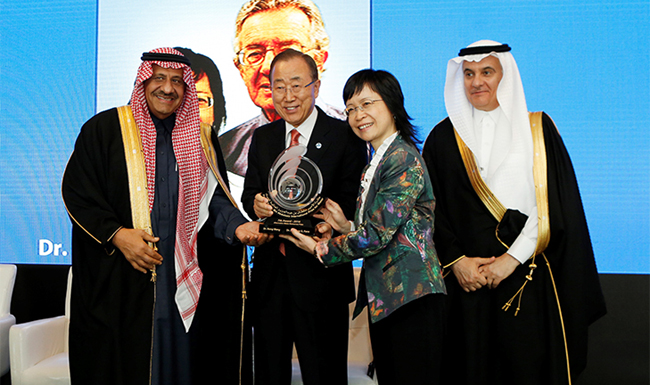
Singapore-based Scientists Win Alternative Water Resources Prize
Professors Wang Rong and Anthony Fane were recognized for developing a membrane that makes water reclamation and recycling more energy efficient.

Do The Tropics Have More Colorful Birds? Not Really.
Birds in the tropics do not evolve to be particularly more colorful than their cousins in temperate climates, a study finds.

Attention, Men: Your Sleep Habits Could Increase Your Cancer Risk
Men who sleep for more than ten hours per night have an increased risk of cancer, but so do men who have worked night shifts for over 20 years.