


Asian Scientist Newsroom

ABOUT
Asian Scientist Magazine is an award-winning science and technology magazine that highlights R&D news stories from Asia to a global audience. The magazine is published by Singapore-headquartered Wildtype Media Group.
Stories by Asian Scientist Newsroom

Why Boredom Makes You Sleepy
In a collaborative study, researchers have found that a part of the brain that is associated with motivation and pleasure can also regulate sleep.

Professor Seiji Ogawa Receives The 2017 Keio Medical Science Prize
Professor Seiji Ogawa of Tohoku Fukushi University has been awarded the 22nd Keio Medical Science Prize for his work on functional MRI.

China Conducts World’s First Quantum Video Conference
With the help of the Micius satellite, Chinese researchers have completed the world’s first video conference secured by quantum cryptography.

Detecting Amphetamines On The Spot
Scientists in Korea have developed a fast, sensitive and portable sensor for on-site detection of amphetamines in urine.

The Risks Of Consuming Adulterated Chinese Medicine
Scientists in Hong Kong have demonstrated that proprietary Chinese medicines contain a range of substances that can have adverse effects on health.
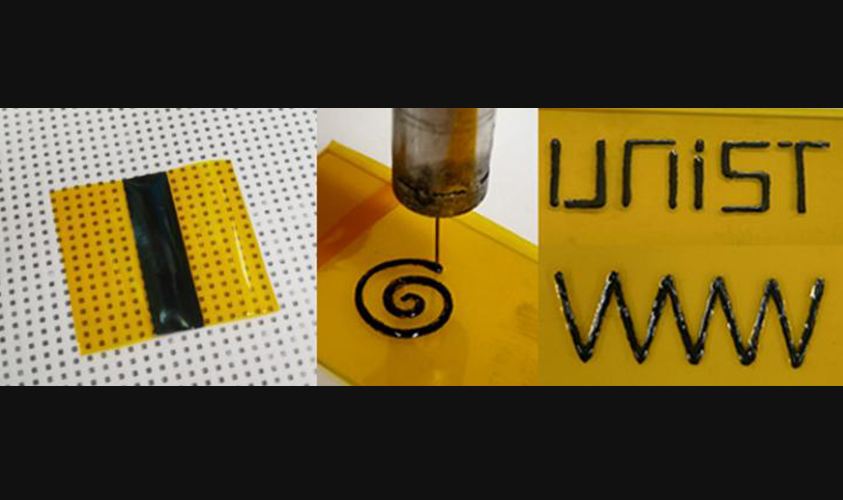
Harnessing Sunlight And Body Heat
Scientists in Korea have developed a wearable energy harvesting device that can generate electricity from sunlight and body heat.

Making Stem Cells Switch To Muscle
Using a synthetic DNA-targeting molecule, researchers in Japan were able to stimulate human induced pluripotent stem cells to become heart muscle cells.

Sniffing Out Why Alzheimer’s Patients Lose Their Sense Of Smell
The loss of smell is indicative of early stage Alzheimer’s disease, and Korean researchers now understand how this happens.

Clearbridge BioMedics Joins CANCER-ID Consortium
Clearbridge BioMedics is the first Asian biotechnology company to join the CANCER-ID consortium for blood-based biomarker evaluation.