


Asian Scientist Newsroom

ABOUT
Asian Scientist Magazine is an award-winning science and technology magazine that highlights R&D news stories from Asia to a global audience. The magazine is published by Singapore-headquartered Wildtype Media Group.
Stories by Asian Scientist Newsroom

Bursting The Bubble Of Ignorance Surrounding Nanobubbles
Scientists in China have discovered how nanobubbles burst by modelling the way these bubbles interact with a variety of surfactants.

Writing Off Cancer With Chinese Calligraphy Ink
Chinese researchers have used ancient calligraphy ink in photothermal therapy to kill cancer cells.

Shining Light On The Behavior Of Ice In Space
Scientists in Japan have obtained a better understanding of interstellar ice by observing the behavior of non-crystallized ice exposed to ultraviolet light.

Powering The Future With Flexible And See-Through Solar Cells
Semitransparent and flexible solar cells are now a reality thanks to a fabrication method developed by scientists in Japan.

7 Must-Read Stories In September
Climate research, career advice and insights into the healthcare sector took center stage in the month of September.
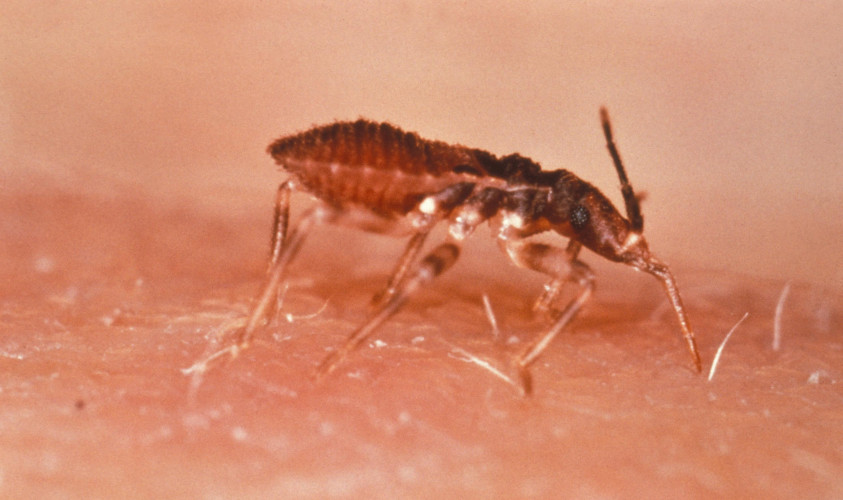
TSUBAME Supercomputer Helps Find Chagas Disease Drugs
Scientists in Japan have used the TSUBAME supercomputer to discover potential therapeutic protein inhibitors for Chagas disease.
Treating Ovarian Cancer With An Anti-Parasite Drug
Ivermectin, a drug used to treat parasitic infections, has been found to be useful in the treatment of ovarian cancer.

India’s Shortcut To An Emission-Free Future
Scientists in Finland have projected that India can function on a fully renewable electricity system by 2050.

An Ultra-Fast And Highly Sensitive Hydrogen Sensor
Scientists in Korea have developed an ultra-fast and highly sensitive hydrogen gas sensor which can detect hydrogen levels under one percent in less than seven seconds.