


Asian Scientist Newsroom

ABOUT
Asian Scientist Magazine is an award-winning science and technology magazine that highlights R&D news stories from Asia to a global audience. The magazine is published by Singapore-headquartered Wildtype Media Group.
Stories by Asian Scientist Newsroom

Asia’s Calcium Intake “Alarmingly Low”
Scientists of the International Osteoporosis Foundation have discovered that Southern and Eastern Asians had the world's lowest average calcium intakes.

The Unintended Pitfalls Of ‘Green’ Energy
‘Green’ energy may not be as environmentally friendly as previously thought, according to research by scientists in Hong Kong.

Why So Many Alzheimer’s Drugs Have Failed
Scientists in Japan have demonstrated why drugs targeting the enzyme that produces the protein plaques in Alzheimer's disease patients fail in clinical trials.

Sumatran Tiger Population On The Road To Recovery
Conservation efforts have helped increase the population of critically endangered Sumatran tigers, according to scientists in Indonesia.

Finding Faults Within An Earthquake Zone In Japan
A large mass of rock and sediment accumulated in the Nankai trough is responsible for the violent tectonic behavior of the region.
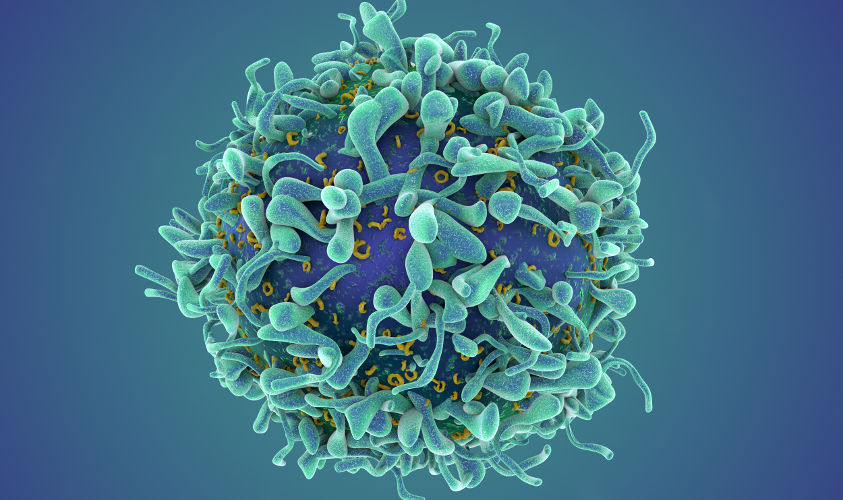
Prolonged Immune Activation Changes Behavior In Mice
Scientists in Japan have demonstrated that the prolonged activation of immune cells affects the production of neurotransmitters in the brain, leading to behavioral changes.

Two Letters Added To The Genetic Alphabet
Scientists have determined the structures of two artificial DNA bases, Ds and Px, which have expanded the genetic code.

Takeda Donates US$1 Million To Asian University For Women
The donation will be used to establish the Takeda Chair in Public Health, which aims to propel research and create opportunities for collaboration with scholars in public health.

Accurately Modelling Human Metabolism
Scientists in Korea have developed a highly accurate computational model of human metabolism by including reactions caused by different protein isoforms.