


Asian Scientist Newsroom

ABOUT
Asian Scientist Magazine is an award-winning science and technology magazine that highlights R&D news stories from Asia to a global audience. The magazine is published by Singapore-headquartered Wildtype Media Group.
Stories by Asian Scientist Newsroom
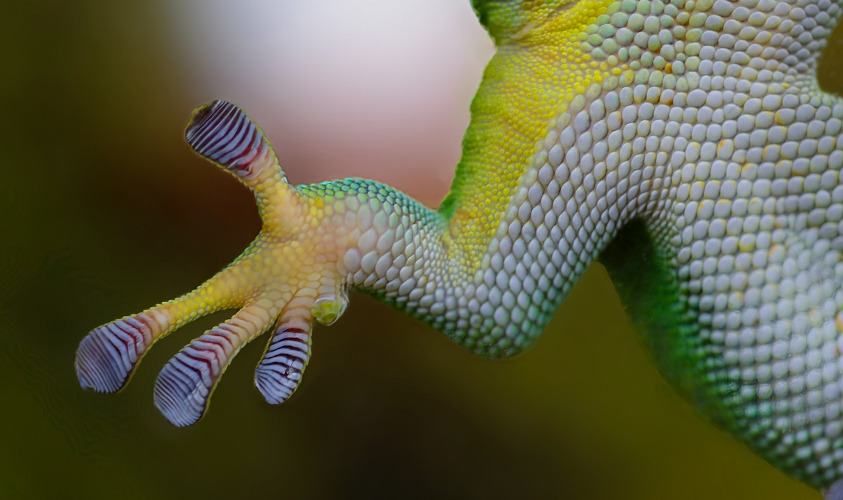
New Adhesive As Sticky As Gecko’s Feet
Move over, Spidey! Scientists from Singapore have developed a dry adhesive that mimics the gecko's gravity-defying tricks.

Type 1 Diabetes On The Rise In China
New research reveals a rise in the number of Chinese being diagnosed with type 1 diabetes, with adults accounting for most of the new cases.
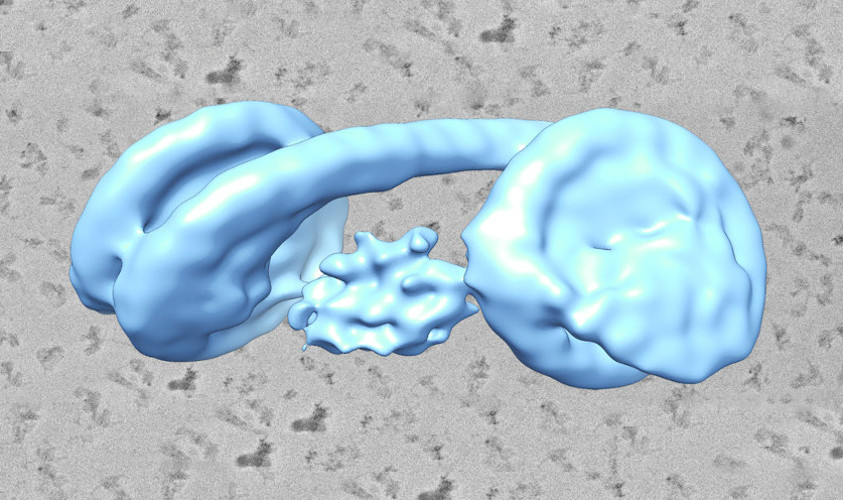
Structure Of DNA-Protein Complex Revealed
Using cryo-electron microscopy, a team of scientists in Japan have visualized the shape of tightly packed bundles of DNA and proteins inside the nuclei of cells.

Gender Labels Affect Color Preference In Children
A study by Hong Kong scientists has demonstrated that children's perception of gender-appropriate colors can be easily manipulated.

Fighting Superbugs With Supercharged Drugs
Scientists in Australia have developed a method to supercharge antibiotics to turn the tide against some of the world's toughest superbugs.

Synthesizing Versatile Nanomaterials
Scientists in China have developed a method to develop nanomaterials whose shape and properties can be adjusted to mimic biological macromolecules.

Glowing, Acid-Tolerant Protein Cloned From Jellyfish
Researchers in Japan have derived from jellyfish a green fluorescent protein that withstands low pH environments, enabling the imaging of acidic organelles.
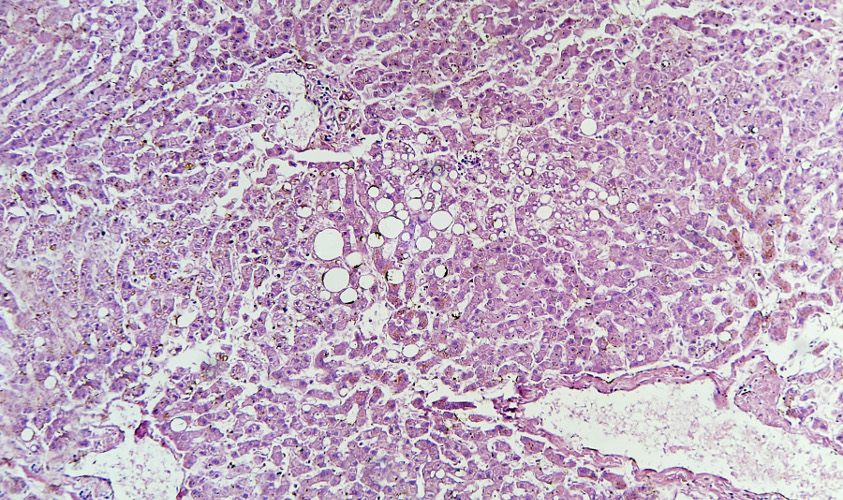
Amino Acid Protects Liver From Oxidative Stress
Scientists in China revealed that the amino acid serine may prevent non-alcoholic fatty liver disease by alleviating oxidative stress.

Storing Electricity In Chemical Form
Researchers in Japan have created a device that stores excess electrical energy using glycolic acid, which has a much greater energy capacity than hydrogen, one of the more popular energy-storage chemicals.