


Asian Scientist Newsroom

ABOUT
Asian Scientist Magazine is an award-winning science and technology magazine that highlights R&D news stories from Asia to a global audience. The magazine is published by Singapore-headquartered Wildtype Media Group.
Stories by Asian Scientist Newsroom

Fabricating Aerogels From Fabric Waste
Scientists in Singapore have developed an aerogel from cotton-based waste that can be used to stop excessive bleeding.

Makoto Fujita Receives The 2018 Wolf Prize In Chemistry
For his outstanding contributions to metal-guided synthesis, Professor Makoto Fujita was awarded the 2018 Wolf Prize in chemistry.

Two Asian Scientists Receive 2018 OWSD-Elsevier Foundation Awards
A mathematician from Bangladesh and a chemist from Indonesia were among the winners of the 2018 OWSD-Elsevier Foundation Awards for Early-Career Women Scientists in the Developing World.

Intuition In The Age Of Information
Data may rule the digital age, but it cannot completely replace gut instinct and business experience, says Professor Li Yan of ESSEC Business School, Asia-Pacific.

Untangling The Web Of Illegal Wildlife Trade
By analyzing over 370,000 records of wildlife trade between 2004 and 2013, researchers have found that the networks of illegal wildlife trade are more complex than previously understood.

Mutations More Common In Asian Lung Tumors
In Asians, lung tumors are more genetically diverse, with implications for treatment response, according to research by scientists in Singapore.

Terahertz Microfluidics Enables Label-Free Detection
By generating terahertz waves in close proximity to a microfluidic channel, researchers in Japan have developed a device which could be used to detect cancer, diabetes and the flu.

Antioxidants Prevent Sexual Transmission Of Zika Virus In Mice
The antioxidant drug ebselen can prevent sexual transmission of Zika from male to female mice, according to research by scientists in Taiwan.
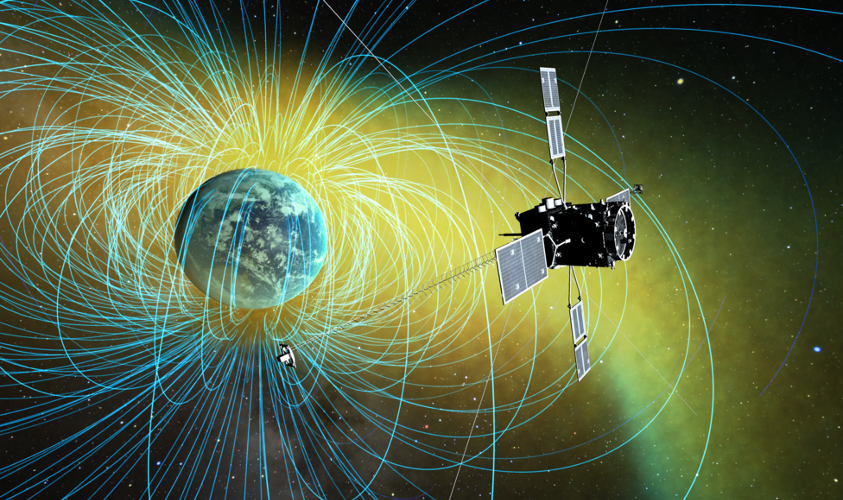
Uncovering The Secrets Of The Northern Lights
Using special sensors aboard the Asare spacecraft, scientists have directly observed how auroras are produced in the Earth's upper atmosphere.