


Asian Scientist Newsroom

ABOUT
Asian Scientist Magazine is an award-winning science and technology magazine that highlights R&D news stories from Asia to a global audience. The magazine is published by Singapore-headquartered Wildtype Media Group.
Stories by Asian Scientist Newsroom
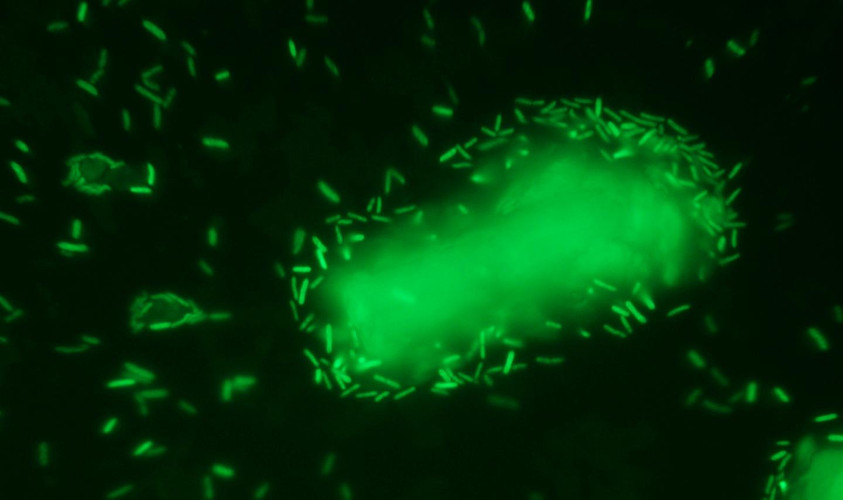
Generating Biofuel From Wheat Straw And Saw Dust
Using a natural bacterium isolated from mushroom crop residue, scientists have developed a way to directly convert plant-based material to butanol.

Harvesting Valuable Metals From E-Waste Makes Financial Sense
Scientists in China have demonstrated that recycling valuable metals from electronic waste is cheaper than the mining of ores.

NTU Partners Desay SV For Automotive Cybersecurity R&D
The partnership will focus on research to make automotive electronics, such as in-vehicle infotainment and advanced driver assistance systems, more cyber secure.

Seeking The Link Between Stress And The Body Clock? Just Ask
Researchers in Japan have discovered three genes—Ask1, 2 and 3—linking the 'internal clock' of cells and mice to environmental stresses.
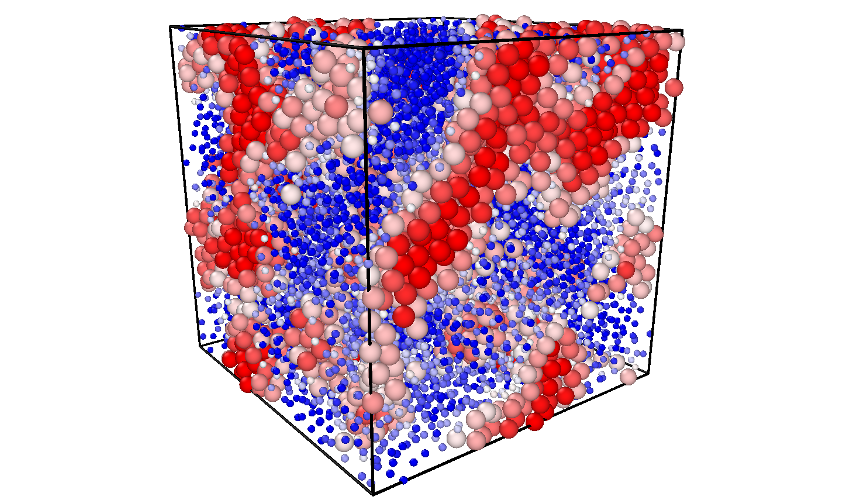
Getting Clarity On Glass Formation
Scientists in Japan have found that the two modes of glass formation share a common structural origin.

Seeing The Brain Without Opening The Skull
A research group in South Korea has devised a strategy to perform bioimaging through opaque tissues.

How Imperfections Help 2D Quantum Materials To Grow
Defects formed at the interface between two semiconducting monolayer materials help drive the growth of 2D quantum well superlattices, researchers say.

An Evolutionary Trade-Off For Walking Upright
A research group in Japan has revealed that walking upright has made humans more prone to limb ischemia than mice.

7 Must-Read Stories In March 2018
Public trust, a romantic lab and how vitamin C could help treat multiple sclerosis were among the hottest topics in March.