


Asian Scientist Newsroom

ABOUT
Asian Scientist Magazine is an award-winning science and technology magazine that highlights R&D news stories from Asia to a global audience. The magazine is published by Singapore-headquartered Wildtype Media Group.
Stories by Asian Scientist Newsroom

Artificial Nerves Move Biological Muscle
Scientists have successfully created artificial nerves that can sense pressure and move muscles.

Engineering Blood Vessels Using Shape-Morphing Scaffolds
Researchers have developed a shape-morphing scaffold that can be used to create three-dimensional blood vessel grafts.

Wanted: Managers With A Human Touch
ESSEC’s Master of Science in Management of Health Industries program offers a unique Asian take on the healthcare industry and gives students a chance to launch exciting careers.
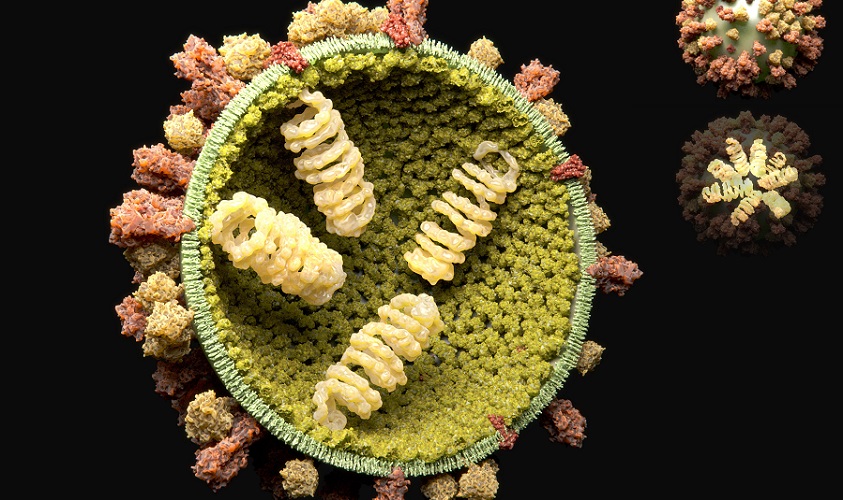
Existing Anti-Hypertension Drug Could Help Fight Flu
Anti-hypertensive drugs called calcium channel blockers can suppress influenza virus replication by blocking a key viral receptor.

Rare Rotavirus Strain Identified In Indonesian Children
Genetic sequencing reveals that a third of the acute gastroenteritis cases affecting children in Indonesia from 2015 to 2016 were caused by a rare strain of rotavirus.

Stretchable 3D Printing In High Resolution
Researchers have developed hydrogels that can be 3D printed in high resolution and stretched by up to 1,300 percent.
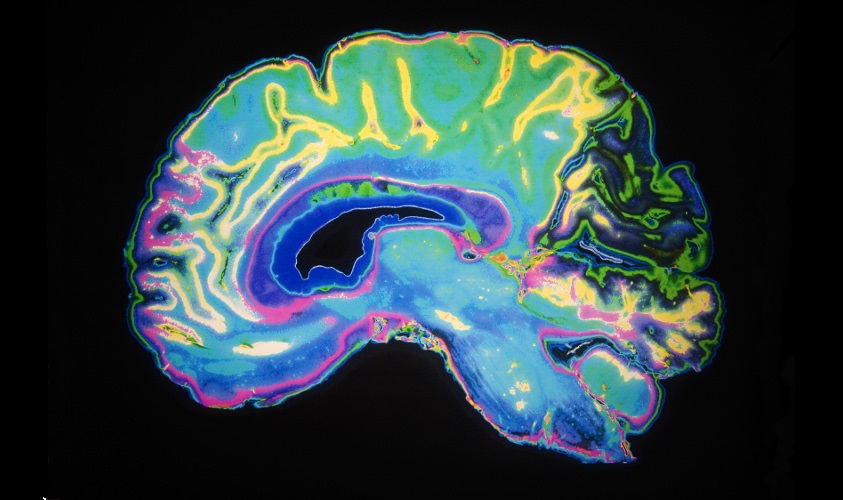
Oxytocin Can Warp Our Sense Of Time
The hormone oxytocin is responsible for the temporal compression effect, where the duration of social interaction feels shorter than it actually is.
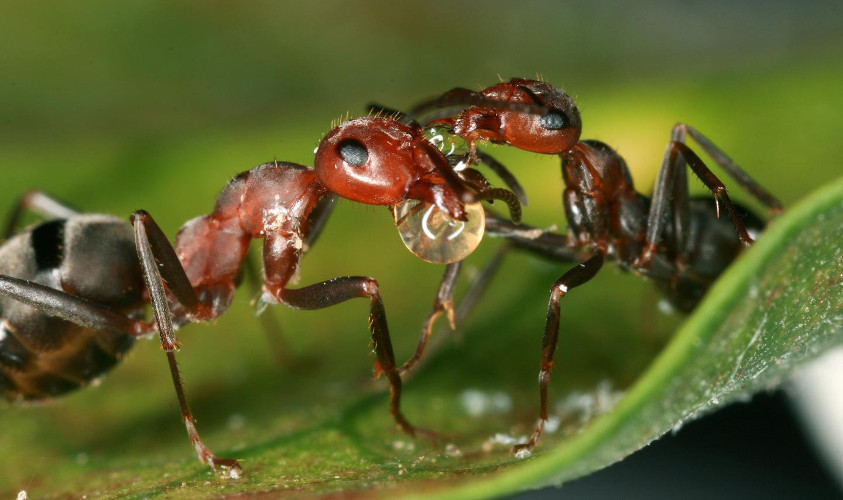
Ants Tell The Story Of Tropical Biodiversity
Researchers have studied ants to explain why biodiversity is higher in tropical regions compared to areas further away from the equator.

Muscle Loss Driven By Epigenetics Both In Space And On Earth
Scientists in Japan have identified DNA methylation as a crucial mediator of muscle loss at microgravity as well as at normal gravity.