


Asian Scientist Newsroom

ABOUT
Asian Scientist Magazine is an award-winning science and technology magazine that highlights R&D news stories from Asia to a global audience. The magazine is published by Singapore-headquartered Wildtype Media Group.
Stories by Asian Scientist Newsroom

Giving Up Smoking Lowers Risk Of Cognitive Decline
Quit smoking early on to minimize the risk of neurological disease, say researchers in South Korea.

Why Some Asian Monkeys Can’t Taste Sugar
Scientists have found that Asian colobine monkeys express receptor genes for tasting sweetness, but these receptors appear less functional than those in fruit-eating monkeys.

A Sweet Solution To Scary Needles
Scientists have developed a safe and painless microneedle patch that is made out of maltose sugar solution.

How Machine Learning Helps Materials Science
A research group in Japan has developed a machine learning method to analyze complex spectra in materials science.
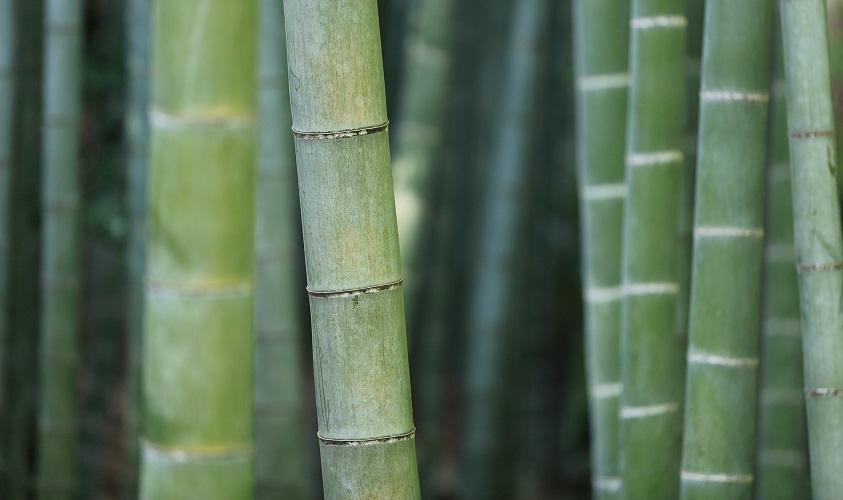
Bamboo And Rattan Genomes Sequenced
Researchers of the Genome Atlas of Bamboo and Rattan Consortium have published a chromosome-level genome assembly of moso bamboo and two representative rattan genomes.

A ‘Golden Sandwich’ For Clean Energy
Japanese scientists have developed a photoelectrode that enables the efficient conversion of sunlight into renewable energy.

How Sherpas Function At High Altitude
The superior physical function of Sherpas at high altitudes is due to better blood circulation rather than increased hemoglobin content in the blood.

UNIST Recognizes Six ‘Rising Star’ Scientists
The title ‘Rising-Star Distinguished Professor’ is awarded to eminent professors who are under the age of 45.

China Approves Home-Grown Colon Cancer Drug
Fruquintinib is the first drug discovered and developed in China to be approved by the National Medical Products Administration.