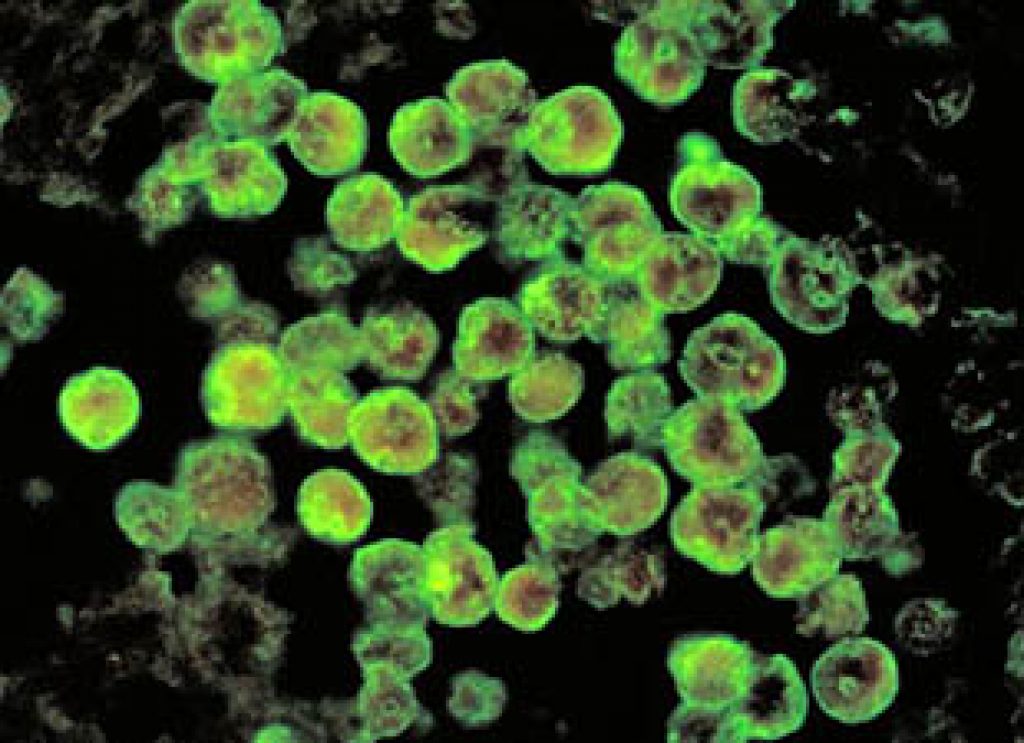
AsianScientist (Jul. 23, 2012) – Naegleria fowleri, a water borne amoebic parasite, has killed eight people in Karachi, Pakistan.
Six cases of Naegleria have been reported in Karachi, Pakistan since July 3 from Liaquat National Hospital, Indus Hospital, and Aga Khan University Hospital.
Earlier this year, two cases were reported at the Aga Khan University Hospital, Karachi, raising the death toll to eight.
So far, four deaths have been confirmed to be due to N. fawleri, according to the Pakistani Health Minister, Dr. Sagheer Ahmed. Swimming pools in Karachi are believed to be the source of the infection.
Experts believe that the real numbers may be higher as most of the facilities lack resources to detect the infection.
N. fawleri is a water-borne amoebic parasite which lives in warm and fresh water. It is acquired through recreational swimming, diving, and water skiing. Once it comes in contact with the nasal mucosa, it travels to the brain via the olfactory nerve, causing primary amoebic meningoencephalitis (PAM). PAM leads to changes in smell or taste and causes a fever, headache, stiff neck, altered conscious state, coma and ultimately death.
The infection can be diagnosed by microscopic cerebrospinal fluid analysis (CSF) or polymerase chain reaction (PCR), the latter being faster and more sensitive.
In order to minimize ones risk of infection, the U.S. Centers for Disease Control and Prevention (CDC) recommends avoiding freshwater-related activities. If this cannot be avoided, it recommends the use of nose clips and minimizing stirring up the sediment in such areas.
Naegleria has previously been reported in the U.K., the U.S., Australia, and other countries, and it is an extremely rare disease with approximately 200 cases reported in the medical literature till date.
Amphotericin B, an antifungal drug with many side effects, remains the treatment of choice.
——
Copyright: Asian Scientist Magazine.
Disclaimer: This article does not necessarily reflect the views of AsianScientist or its staff.