AsianScientist (Mar. 21, 2011) – Scientists from Shanghai and Hong Kong announced on Friday the successful genomic sequencing of Isaria cicadae, a rare herb highly valued in traditional Chinese medicine (TCM), found in the bamboo forests in Sichuan, Yunnan, Jiangsu, Zhejiang, Fujian, and other provinces in China.
For more than 1000 years, the cicadae flower (蝉花) has been used in TCM. To process the cicadae flower, the dirt is first removed, followed by the flower being ground into a powder and dried. The flower is typically used to remove nebecula and improve vision, but can also be used to treat eye tumefaction, eye inflammation and lacrimation. According to the researchers, the genomic size of Isaria cicadae is one eightieth of the human genome, containing about 16,000 genes.
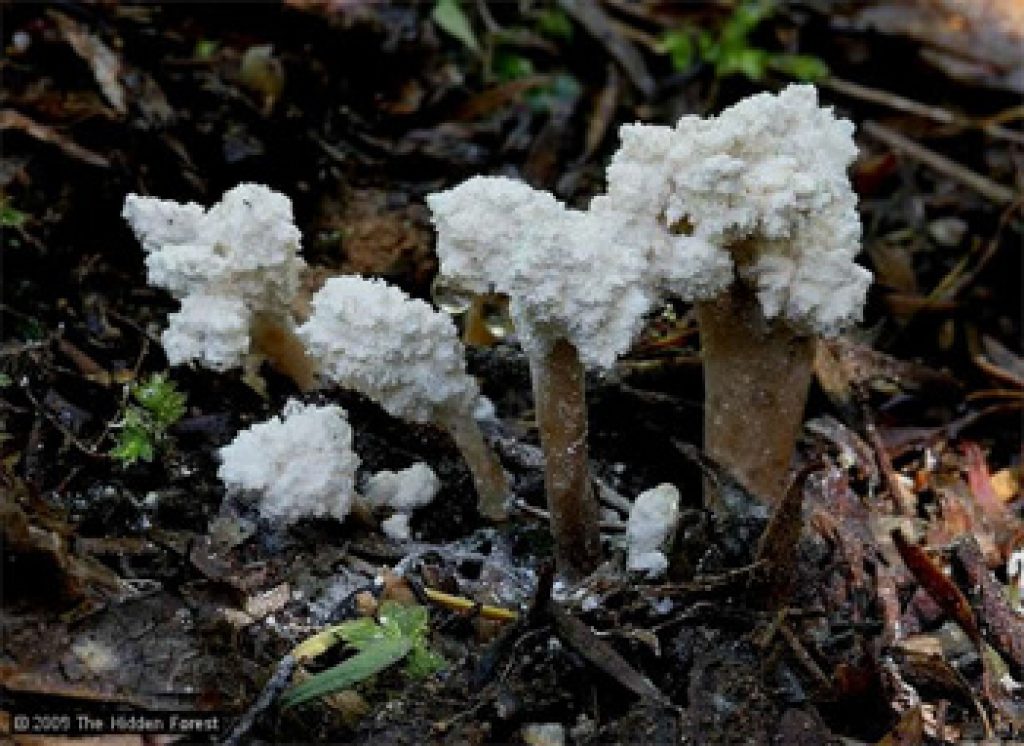
The cicadae flower is a complex of fungi and larvae of Platylomia pieli (a kind of cicada). The fungi are parasites of the underground larvae, and develop in the host before the larvae mature. In late June, the mature larvae crawl up onto land, leading to increased proliferation of the fungi due to improved temperatures and humidity. Soon, the whole larvae become filled with white mycelia, and the sporophore appears from the head of the larvae as white flowers in the ground.
Scientists believe there may be many outcomes from this research.
First, this research may extend the use of the flower in biomedical research, as the researchers showed that the Isaria cicadae contained genes that had not been previously recognized or utilized, but are critical in important functions such as metabolism.
Second, this information may improve the artificial cultivation of this flower, as the availability of the cicadae flower in the wild is limited, due to environmental factors and the need for a host.
Finally, the flowers may be genetically modified in ways that enhance its medicinal and nutritional value, and also in ways that make it available to a larger market.
This research was a collaboration between the Shanghai Institute of Bio-Asia Life Science and the Hong Kong University of Science and Technology (HKUST).
———
Source: Xinhua News Agency.
Disclaimer: This article does not necessarily reflect the views of AsianScientist or its staff.