AsianScientist (Jun. 17, 2026) – In recent decades, many countries have seen an increase in the average age at which women have their first child, reflecting broader changes in family planning. As more women pursue higher education, join the workforce, and rethink marriage and parenthood, these shifts have expanded personal choice and gender equality, but also introduced new reproductive challenges.
A woman’s fertility declines with age, reducing the chances of pregnancy and increasing the risks of miscarriage and genetic abnormalities. As a result, accurately assessing reproductive potential has become increasingly important.
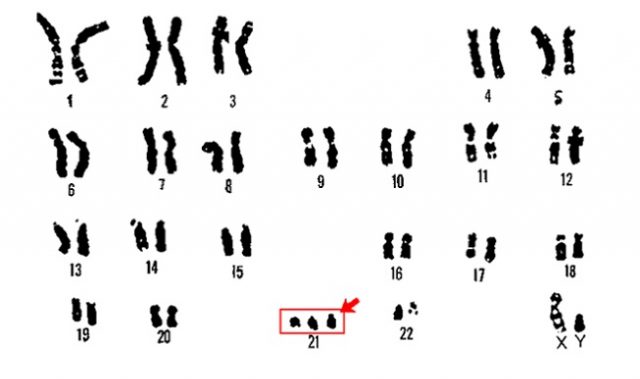
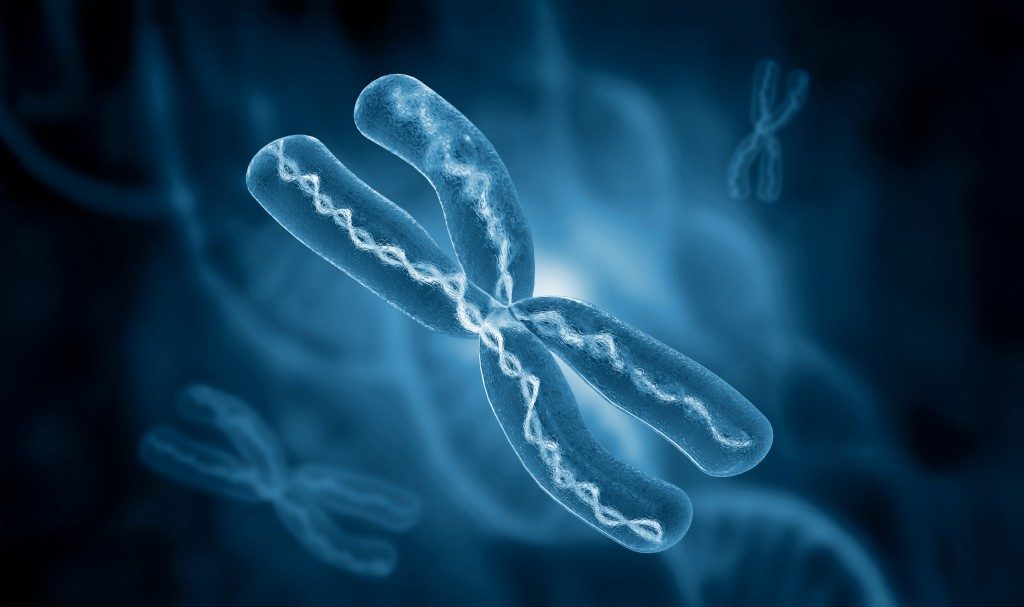
Chromosomes carry genetic information that determines biological sex. Women typically have two X chromosomes, while men have one X and one Y chromosome. With age, men can lose the Y chromosome, and women can lose one of their X chromosomes, phenomena known as loss of the Y chromosome (LOY) and loss of the X chromosome (LOX), respectively.
LOY has been linked to conditions such as Alzheimer’s disease, diabetes, and heart disease, while LOX has been associated with acute myeloid leukaemia and pneumonia. However, little is known about LOX’s role in reproduction.
Recently, Japanese researchers investigated the association between LOX and infertility and found that women with infertility had a significantly higher proportion of LOX cells than women who conceived naturally. Their findings were published in the journal Reproductive BioMedicine Online.
For the study, the researchers analysed white blood cells from 504 women aged 20-45 years, including 123 who had conceived naturally and 381 who had not. Researchers then compared LOX levels between the two groups using a highly sensitive single-cell genetic test capable of detecting very low LOX levels.
The results showed that women with infertility had significantly higher levels of LOX. When the proportion of LOX cells exceeded approximately 0.9%, the likelihood of natural conception decreased.
The scientists identified a threshold of 0.87% LOX associated with reduced chances of natural pregnancy.
They also examined the relationship between LOX and anti-Müllerian hormone (AMH), a marker of ovarian reserve, i.e., the remaining quantity and quality of a woman’s eggs and found no association between the two.
Similarly, LOX was not correlated with follicle-stimulating hormone (FSH), suggesting it may reflect a different aspect of reproductive ageing than conventional fertility markers.
“Based on our findings, combining AMH with LOX analysis may enable more accurate prediction of whether natural pregnancy is possible,” said Taiki Kikuchi, the first author of this study, from the Department of Obstetrics and Gynaecology, Osaka Metropolitan University.
“In the future, measuring LOX in individuals experiencing infertility may help determine whether natural pregnancy is possible or whether fertility treatments, such as in vitro fertilisation, should be initiated at an earlier stage,” he added.
Previous studies had reported more X chromosome abnormalities in women with fertility problems, but those studies relied on older methods that could detect only relatively high levels of chromosomal mosaicism. The newer technique used in this study enabled researchers to identify much lower levels of LOX that may previously have gone unnoticed.
Although LOX was only a modest predictor of fertility, its performance was comparable to some established fertility markers. The findings suggest that even low levels of LOX may be linked to female fertility and represent a previously overlooked dimension of reproductive ageing.
The scientists noted that more research is needed before LOX can be used as a clinical biomarker. Future studies, they said, will need to follow women over time, examine reproductive tissues directly, and assess a broader range of reproductive and pregnancy outcomes.
—
Source: Osaka Metropolitan University; Image: Giovanni Cancemi/Magnific
This article can be found at Haematopoietic loss of the X chromosome is associated with a lower likelihood of natural conception