AsianScientist (Apr. 8, 2016) – Diagnosing disease can be highly technical, costly and time-consuming, challenges that become particularly problematic in low-income and remote locations. Now, scientists say there is a new way to repurpose practical, low-cost portable glucose monitors for the detection of other diseases. Their work was published in ACS Applied Materials & Interfaces.
There are many benefits to diagnosing diseases quickly. Treatment can start earlier, which can lead to better outcomes; it saves time and money; and it can also minimize patients’ anxiety as they wait for results. But rapid diagnoses aren’t always possible using current technology.
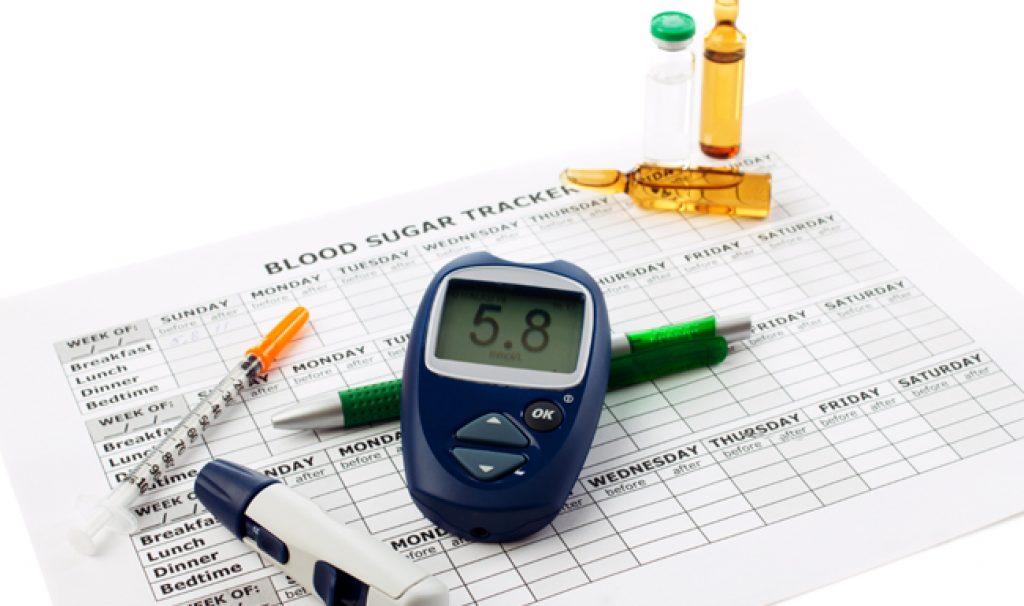
The personal glucose monitor, however, is one medical testing device that can rapidly deliver results. Building on its success, scientists have started repurposing it to test for other substances, such as cocaine or Salmonella bacteria in milk. But the methods used so far are complicated and time-consuming.
A team led by Professor Yang Chaoyong from Xiamen University wanted to take a simpler approach and apply it to biological disease markers. The researchers started with tiny spherical pouches called liposomes and filled them with enzymes that produce glucose. In the presence of a target molecule, the liposomes were designed to burst open and cause an increase of glucose in the test solution.
The researchers tried it with thrombin, a protein that can indicate restricted blood flow or heart disease. A commercial glucose monitor accurately detected the levels of glucose, which corresponded to the amount of thrombin in samples. In addition, the researchers say their method could be used to detect other disease-associated proteins.
The article can be found at: Lin et al. (2016) Enzyme-Encapsulated Liposome-Linked Immunosorbent Assay Enabling Sensitive Personal Glucose Meter Readout for Portable Detection of Disease Biomarkers.
———
Source: American Chemical Society; Photo: Shutterstock.
Disclaimer: This article does not necessarily reflect the views of AsianScientist or its staff.