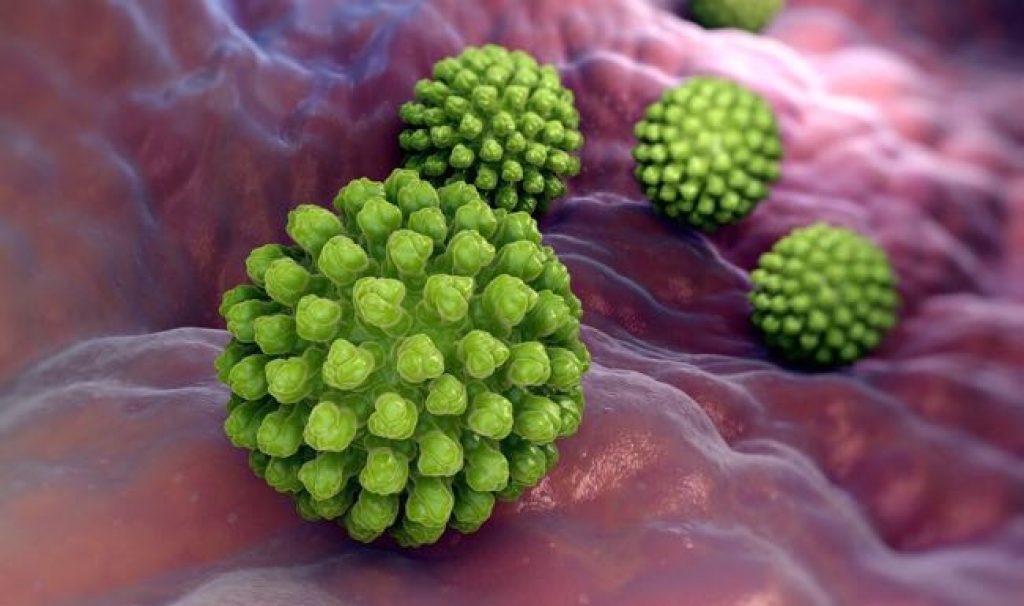
AsianScientist (Dec. 30, 2015) – The hepatitis C virus may be associated with an increased risk of developing Parkinson’s disease, according to a study published Neurology® that drew on the National Health Insurance Research Database of Taiwan.
“Many factors clearly play a role in the development of Parkinson’s disease, including environmental factors,” said study author Dr. Kao Chia-Hung from the China Medical University in Taichung, Taiwan. “This nation-wide study suggests that hepatitis caused specifically by the hepatitis C virus may increase the risk of developing the disease. More research is needed to investigate this link.”
Parkinson’s disease is considered the second most common degenerative brain disorder after Alzheimer’s disease, while the World Health Organization estimates that 130 to 150 million people have hepatitis C worldwide. While hepatitis C can lead to serious illness, many people have few symptoms and do not realize they have the virus, especially at first.
The virus is transmitted through sharing needles, needle stick injuries in health care providers and passed on at birth from infected mothers. In Taiwan during the time of the study, blood transfusions were the most common cause of the virus. In the United States, all donated blood has been screened for the virus since 1992.
The study involved 49,967 people with hepatitis and 199,868 people without hepatitis. Participants with hepatitis were placed into three groups: those infected with the hepatitis B virus (71 percent), those with hepatitis C (21 percent), and those who had both viruses (8 percent).
The participants were followed for an average of 12 years to see who developed Parkinson’s disease. Of those with hepatitis, 270 developed Parkinson’s disease, including 120 people with hepatitis C. Among those who did not have hepatitis, 1,060 developed Parkinson’s disease.
Once researchers controlled for factors such as age, sex, diabetes and cirrhosis, they found that people with hepatitis C were nearly 30 percent more likely to develop Parkinson’s disease than the people who did not have hepatitis.
People with hepatitis B and those with both viruses were not more or less likely to develop Parkinson’s than those who did not have hepatitis.
The article can be found at: Tsai et al. (2015) Hepatitis C Virus Infection as a Risk Factor for Parkinson Disease.
———
Source: American Academy of Neurology; Photo: Shutterstock.
Disclaimer: This article does not necessarily reflect the views of AsianScientist or its staff.