AsianScientist (Sep. 25, 2015) – A surprising new role for the well-known oncogene, c-Jun, has been uncovered. Reporting in Nature Cell Biology, Professor Pei Duanqing’s group from the Guangzhou Institutes of Biomedicine and Health, Chinese Academy of Sciences, found that it can stop the generation of induced pluripotent stem cells (iPSCs).
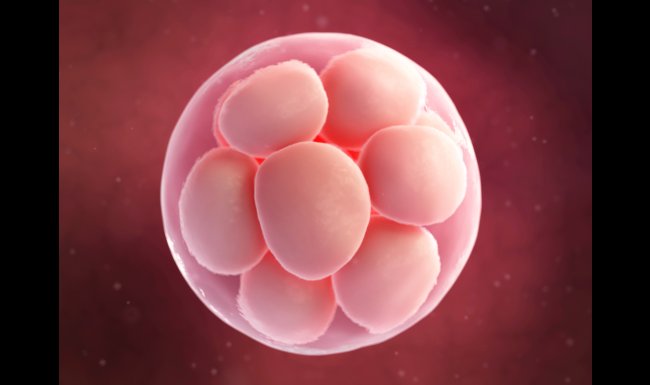
The discovery that somatic cells could be reprogrammed back into iPSCs via the introduction of four genes (Oct4, Sox2, Klf4 and c-Myc, i.e. Yamanaka factors) not only earned a Nobel prize for its discoverer, but also promised inexhaustible sources of stem cells without requiring any destruction of embryos. This could bring down a major ethical obstacle for researchers who are keen to explore and exploit stem cell’s unique pluripotency, the ability to develop into any type of cell or tissue of the body.
Despite its immense potential, the biology behind this remarkable process is still being explored. One insight from past experiments was that the Yamanaka factors all have oncogenic potentials, but tumor suppressors such as p53 stop the conversion. Investigating along this line, Pei’s group hypothesized c-Jun to follow in the same theme and able to promote reprogramming.
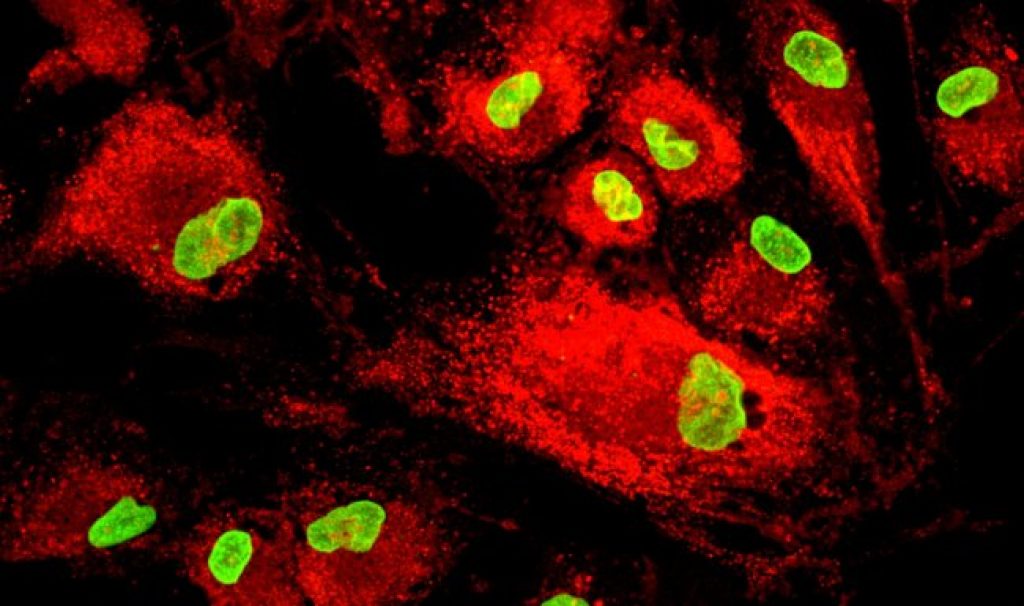
The group first performed a number of experiments to determine what role c-Jun might play in the context of cellular differentiation and pluripotency. By looking at its expression levels, they found that it was significantly expressed in somatic cells than undifferentiated stem cells, whether iPSCs or embryonic stem cells (ESCs).
Meanwhile, knocking out the gene stopped somatic cell proliferation. Surprisingly, in ESCs the expression of c-Jun increased when the researchers experimentally forced differentiation of the cells.
These observed differences led the researchers to believe that c-Jun plays different roles in somatic and undifferentiated stem cells. They tested this by using a system capable of switching on/off c-Jun in cells. Fitting in the earlier observation, turning on c-Jun resulted in ESC differentiation. In contrast, reprogramming was inhibited in somatic cells cultured with Yamanaka factors.
These observations might be due to c-Jun‘s nature as a transcription factor, the researchers say. They found that it inhibits critical genes for stem cell function, but on the other hand, activates genes involved in differentiation. Indeed, iPSC generation was successful when researchers abolished the function of c-Jun, either by means of mutation, gene knockdown or the introduction of an antagonist called Jdp2.
Thus, c-Jun appears to work counter to the generalized view of oncogenes being drivers of reprogramming, functioning as a ‘guardian’ in somatic cells to prevent differentiation. Pei’s group further postulated that the inhibition of c-Jun suggests the presence of other pathways for achieving pluripotency.
Indeed, by combining Jdp2 with five other reprogramming factors previously reported in literature, they showed that this ‘six-factor’ approach could be sufficient to generate iPSCs from somatic cells, thereby opening more interesting mechanistic questions for future research.
The article can be found at: Liu et al. (2015) The Oncogene c-Jun Impedes Somatic Cell Reprogramming.
———
Copyright: Asian Scientist Magazine; Photo: Shutterstock.
Disclaimer: This article does not necessarily reflect the views of AsianScientist or its staff.