AsianScientist (Mar. 24, 2015) – By Lino Alvarez – The Third UN World Conference on Disaster Risk Reduction closed this week (18 March) in Sendai, Japan, with calls to increase resilience, quick reconstruction and recovery, insurance against risk, and the role of the scientific community in rebuilding.
But preliminary results of a modelling study by the UN disaster office presented at the conference showed little prospect of reducing annual economic losses from disasters from the current US$250 billion to US$300 billion, owing to urbanization and how development plans are being made.
This shows the importance of “building fast and better”, especially in housing, following disasters such as powerful storms to reduce losses and further suffering, according to conference speakers.
A representative of the UN Development Program, describing the experience of an agency in the Philippines, said that among the major omissions in the Hyogo Framework adopted ten years ago was addressing resilience in the context of recovery planning.
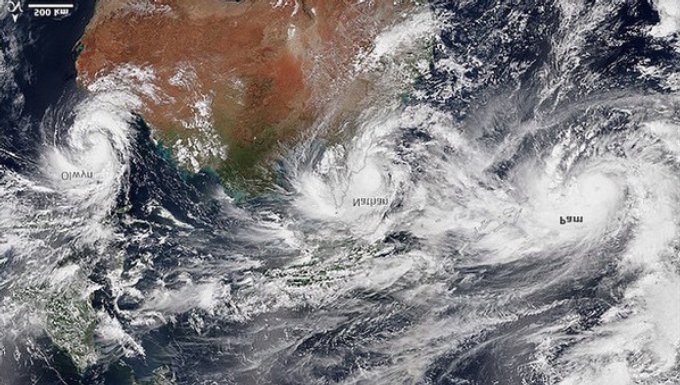
In addition, Michael Keenan, Australia’s minister of justice, emphasized the need to now add wind resilience to building standards due to increasing powerful storms, such as the past year’s two super storms that devastated the Pacific region with winds of over 320 kilometres per hour.
Citing Japan’s experience, Akihiro Ohta, minister of land, infrastructure, transportation and tourism, said it is critical to combine both structural and non-structural efforts for recovery. He recommended complete reinforcements of public elementary and high schools, improved standards for road bridges and road widening, fireproofing buildings and stepping up education on safety procedures.
For Turkey’s deputy prime minister, Numan Kurtulmus, it is important to build back with permanent housing and include resilience issues in development plans, while standardizing infrastructure regulations and insurance processes.
But Mahafaly Solonandrasana Olivier, minister for interior and decentralization of Madagascar, noted that it is not sometimes possible to build back in the same place and that land use planning must be changed to make communities more resistant and sustainable.
Some participants such as Ólöf Nordal, minister for interior of Iceland, and Siaosi Sovaleni, deputy prime minister of Tonga, emphasized the importance of the private sector in building back better. They stressed the need for insuring against risk and the role of the scientific community and the data they generate in actuarial estimation.
New Zealand’s minister for the Canterbury earthquake recovery, Gerry Brownlee, said that some 80 percent of buildings in his country had been well insured.
Last week top global insurers pressed world leaders to step up global efforts to build resilience against natural disasters and manage losses. Of the US$190 billion average annual losses in the last decade, only about US$60 billion are insured, according to their statement released to the media during the Sendai conference.
———
Source: SciDev.Net.
Disclaimer: This article does not necessarily reflect the views of AsianScientist or its staff.