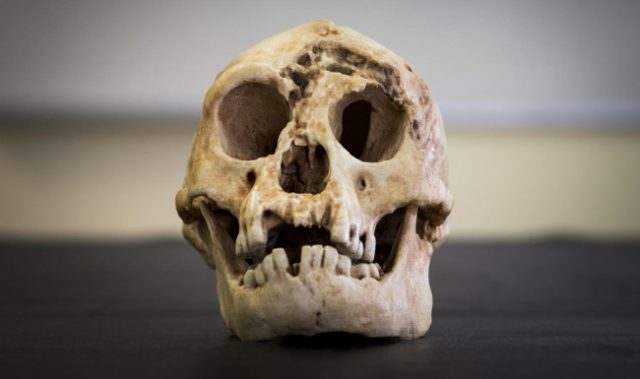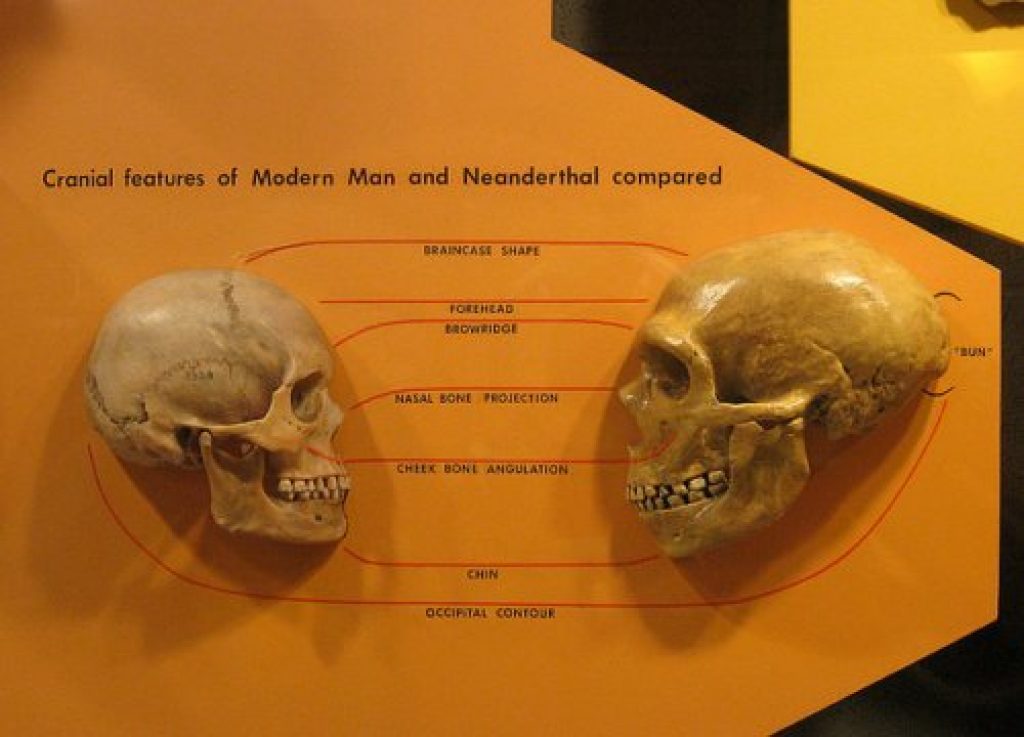
AsianScientist (Jun 24, 2014) – An international team of scientists report their latest findings from Spain’s ‘Pit of Bones’ archaeological site, showing its fossils are the oldest known population with Neandertal traits.
Published in the journal Science, the researchers describe 17 skulls including seven not previously reported, and say they were deposited at the site about 430,000 years ago. The site-Sima de los Huesos, which translates to ‘Pit of Bones’-contains the world’s biggest collection of ancient human fossils.
This latest dating clears up debate over the age of the fossils at the site which had previously been reported as greater than 530,000 years old, but this was claimed to be incompatible with morphological and genetic evidence for human evolution of the time.
“This age range is one of the most difficult to date but, rather than relying on a single dating technique, we’ve used six different techniques to produce a robust chronological study which would not have been possible a few years ago,” says Dr. Lee Arnold, University of Adelaide Australian Research Council Future Fellow and one of the paper’s main authors.
“We’ve resolved the age of the fossils at 100,000 years younger than previously reported, which makes them the oldest reliably-dated humans to show clear Neandertal morphology.”
To date, more than 30 individuals have been recovered from Sima de los Huesos and their skeletons appear to be complete, albeit needing laborious reconstruction. The excavation is difficult, with access limited to a 500 metre crawl through underground caves and a 13 metre abseil down a deep vertical shaft.
The skulls from this population show jaws and teeth which are more typically Neandertal and upper cranial features more like Homo heidelbergensis, suggesting the fossils may belong to a new species or sub-species.
“A picture is emerging of human evolution which is way more complex than has been considered over the past couple of decades,” says Dr. Arnold. “Ongoing excavation, DNA analysis and vastly improved chronology are putting together a much more complete story – but we still have many more questions to answer.”
The article can be found at: Arsuaga et al. (2014) Neandertal roots: Cranial and chronological evidence from Sima de los Huesos.
——
Source: University of Adelaide; Photo: Matt Celeskey/Flickr/CC.
Disclaimer: This article does not necessarily reflect the views of AsianScientist or its staff.