Asian Scientist (Jul. 31, 2013) – A study has found that gene banks are missing more than half the wild relatives of the world’s most important food crops — which potentially harbor traits for higher yields, and resistance to disease and climate change.
Scientists looked at 29 staple crops, including rice, wheat and potato, and found that around 240 of their 450 wild relatives need collecting and placing in gene banks. The findings were published on the Crop Wild Relatives website.
The five crops most at risk are eggplant, potato, apple, sunflower and carrot. Countries with the most threatened wild relatives include Bolivia, China, Ecuador, Ethiopia, India, Kenya, Mexico, Mozambique, Peru and South Africa.
Over the next three years, a global network of partners led by the Millennium Seed Bank Partnership at the Royal Botanic Gardens, Kew, based in the United Kingdom, will collect these relatives across the 30 countries where they have been identified. It will prioritize cereal crops important for Africa, including sorghum and finger millet.
The seeds will then be placed in long-term, back-up storage at Kew’s Millennium Seed Bank in London. The project will also make seeds available to researchers and plant breeders across the world so they can identify useful characteristics, and begin the 15 to 20-year process of developing improved crop breeds.
“We realize that crop wild relatives are essential for us to adapt to climate change,” Jonas Mueller, international projects coordinator at Kew, tells SciDev.Net. “We need to give crops the means to defend themselves.”
Over the past 10,000 years farmers have bred many useful traits out of crops, creating breeds that are often unsuited to new climatic conditions and that lack the rich genetic diversity of wild crops.
“Food crops are currently bred to a specific climate, but these conditions will change in the future,” Mueller says. “The wild relatives of today’s crops can help current crop varieties adapt.”
The wild varieties may also be threatened by climate change, changes in land use and urbanisation, he adds.
For Mueller and his team, “farming communities in developing countries are the ultimate beneficiaries of this whole undertaking. I think it’s an example of how science can help developing countries.”
One aspect of this is that in some cases, the breeding of improved crops will take place in the countries where crops are grown, so there will be more immediate benefits for the countries, he says.
The study was carried out by the International Center for Tropical Agriculture (CIAT) and the Global Crop Diversity Trust in partnership with Kew’s Millennium Seed Bank and in collaboration with agricultural research institutes worldwide. It is part of a larger project, ‘Adapting Agriculture to Climate Change’, funded by the Norwegian government until 2019.
——
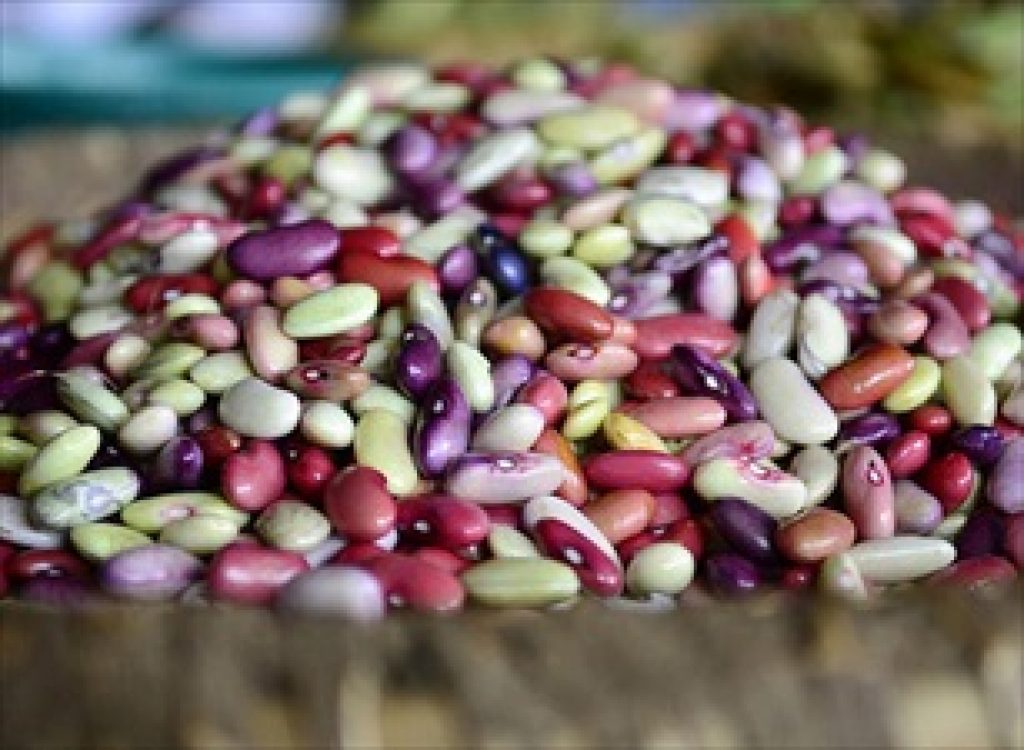
Source: Science and Development Network; Photo: Neil Palmer/CIAT.
Disclaimer: This article does not necessarily reflect the views of AsianScientist or its staff.