AsianScientist (Jul. 9, 2013) – Researchers in China have discovered a mechanism by which mice prevent the viral destruction of the host immune system.
The study, published this week in Nature Immunology by Zhenghong Yuan and colleagues at Fudan University in Shanghai, China, showed that exosomes – tiny cell-derived vesicles – were able to control the spread of the hepatitis virus A59 and adenovirus in mice.
Once released from cells, exosomes have important roles in intercellular communication but have been little studied in the context of immunity.
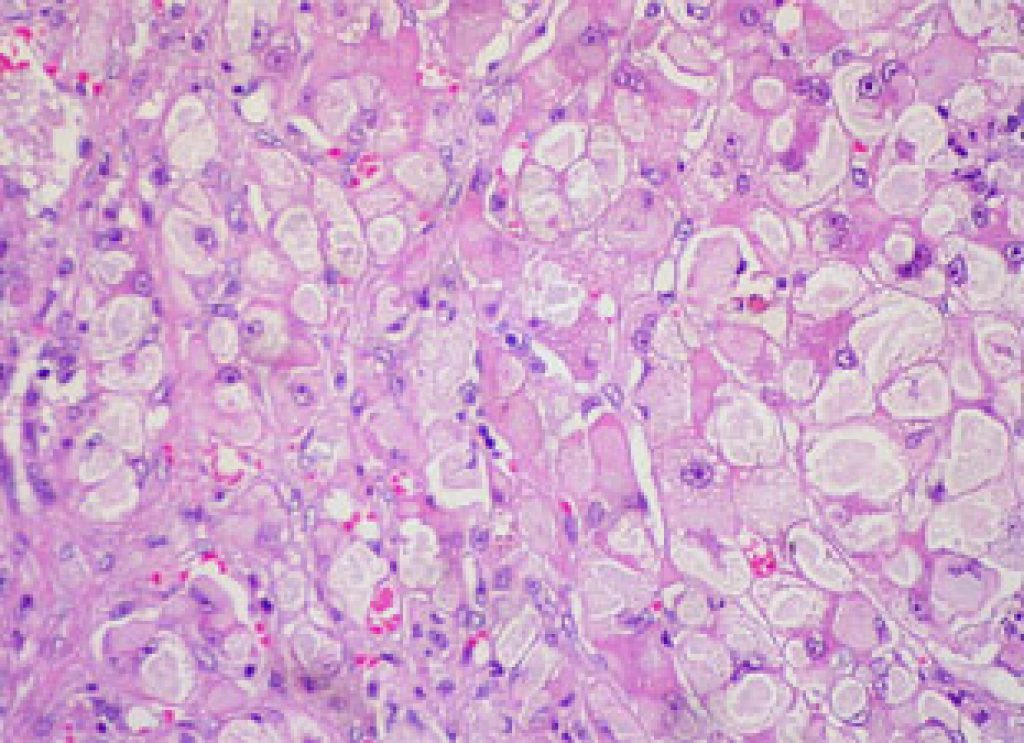
The authors found that the presence of the hepatitis virus in the liver stimulated the release of exosomes from infection-resistant liver resident cells such as Kupffer cells and transmitted them to virus-susceptible liver cells (hepatocytes).
These exosomes were rich in diverse anti-viral molecules that the hepatocytes could then use to resist viral infection.
The authors believe that the sheer variety of anti-viral molecules present in the exosomes makes it difficult for viruses to evolve evasion mechanisms for each and every one, thus the transmission of a bolus of molecules by way of exosomes is an effective weapon in the arsenal of immunity.
In addition, the researchers also found that blocking exosomes increased hepatitis in mice, and therefore a mechanism that elicits the release of exosomes may potentially be used to treat some viral infections.
The article can be found at: Li J et al. (2013) Exosomes mediate the cell-to-cell transmission of IFN-α-induced antiviral activity.
——
Source: NPG; Photo: euthman/Flickr/CC.
Disclaimer: This article does not necessarily reflect the views of AsianScientist or its staff.