AsianScientist (Jul. 30, 2012) – As part of its human space flight program envisaged for a take off in 2016, Indian scientists are planning to design and develop an indigenous space suit.
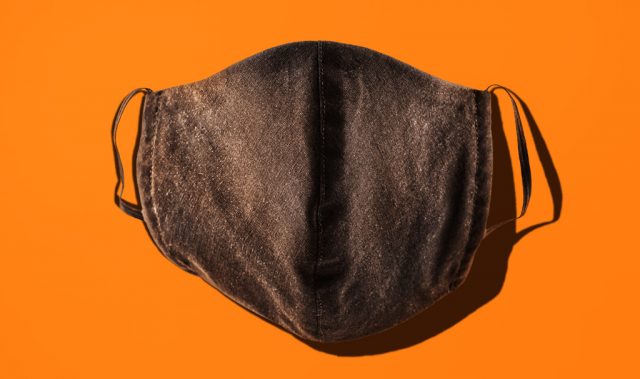
The space suit will be designed to protect astronauts against extremes in temperature compounded by intensive solar radiation in space during the mission.
Existing technologies of this nature are a zealously guarded secret of a handful of spacefaring nations.
To engineer the space suit, the Indian Space Research Organisation (ISRO) has entered into an agreement with the Bangalore-based Defence Bioengineering and Electromedical Laboratory (DEBEL), which focuses on research and development in the area of aeromedical equipment, human engineering related to aviation, biomedical engineering, and life support system for the armed forces.
DEBEL, which is part of the state-owned Defence Research and Development Organization (DRDO), will draw upon its experience in life support systems, technical textiles, and materials during the development process.
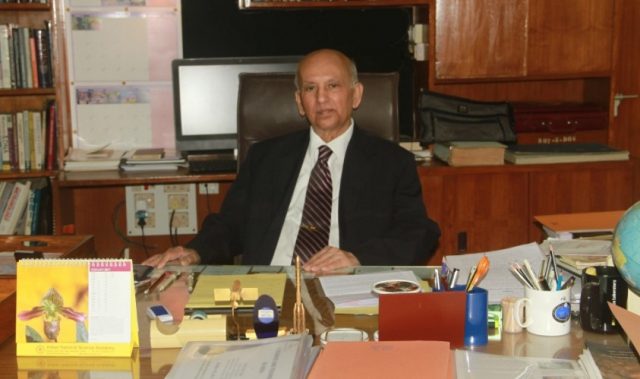
S. Selvamurthy, Chief Controller of Research and Development (Life Sciences and international Cooperation) at DRDO, told this correspondent that this is the first time that the country will be developing a space suit.
All said and done, the Rs. 140,000 million (US$2.2 billion) Indian manned flight mission has yet to receive final clearance from the Government of India.
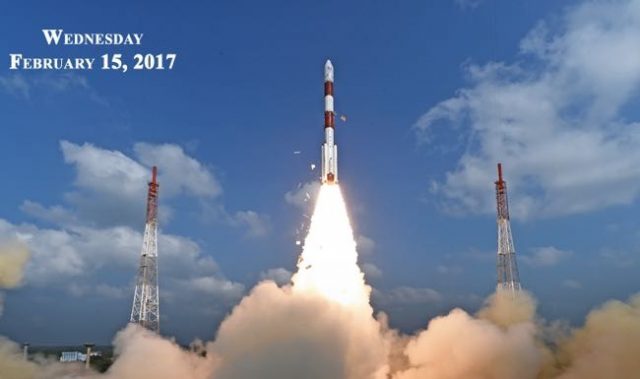
Moreover, difficulties encountered by ISRO with the cryogenic upper stage of its Geosynchronous Satellite Launch Vehicle (GSLV) could cast a shadow on the mission.
Selvamurthy also revealed that another DRDO laboratory, the Mysore-based Defence Food Research Laboratory (DFRL), would develop the menu for the Indian astronauts.
Incidentally, DFRL also had the distinction of providing food for the first Indian astronaut, Rakesh Sharma, who flew on-board a Russian space vehicle in 1984.
——
Copyright: Asian Scientist Magazine.
Disclaimer: This article does not necessarily reflect the views of AsianScientist or its staff.