AsianScientist (May 29, 2012) – The effects of Asia’s large expenditure on higher education can be observed in a new ranking of the world’s leading universities under the age of 50.
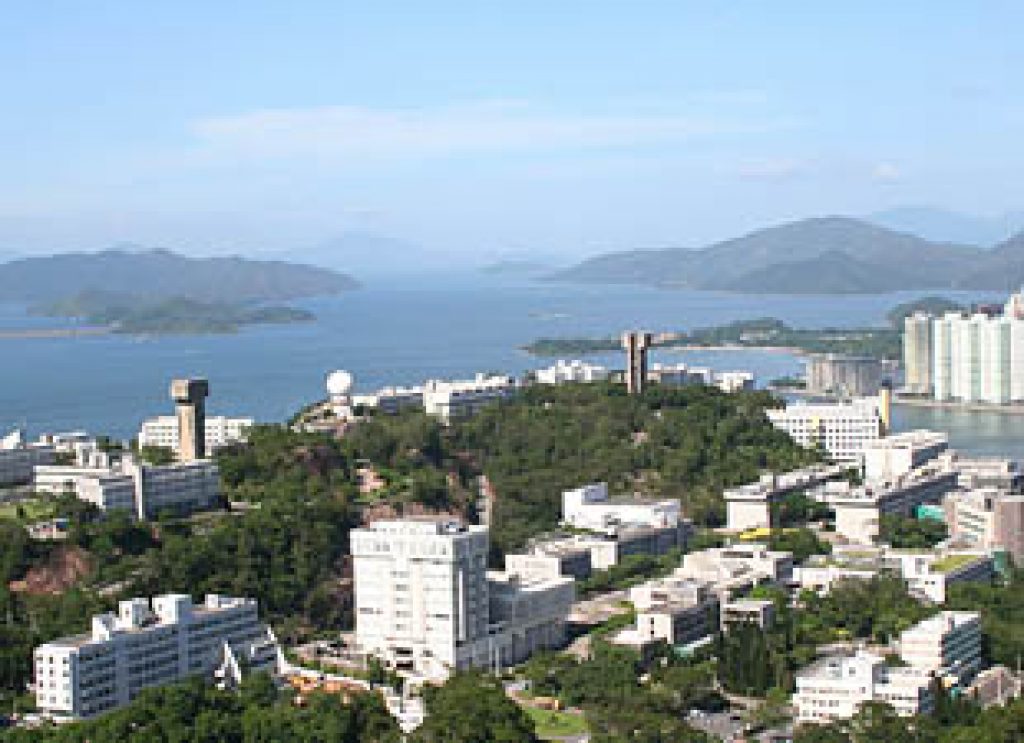
Asia claims six of the top ten universities in the QS Top 50 Under 50 ranking, with The Chinese University of Hong Kong (CUHK) and The Hong Kong University of Science and Technology (HKUST) beating U.K.’s Warwick University to the top spots.
Remarkably, Singapore’s Nanyang Technological University (NTU) in in fourth place despite having been in existence for just 21 years.

“New science-based institutions have been established to drive innovation and growth in booming economies such as Hong Kong, Korea and Singapore,” explained Ben Sowter, QS head of research. “Their superior performance compared to Western universities established within the same time frame is testament to Asia’s dynamism.”
The prominence of younger Asian institutions has been put down to a boom in scientific research. NTU has spent SGD$830 million in sustainability research, HKUST’s budget for research in 2009-2010 was HK$426 million, and KAIST has set a goal to raise one trillion won by 2013 for various academic advancement programs.
Besides increasing their global presence through research, these young universities have made intense efforts to invite international faculty (either permanent or visiting) and overseas students, invest in building world-class infrastructure, and increase the number of classes offered in English.
Nine of the top ten Chinese universities improved their performance in the accompanying 2011 QS University Rankings: Asia, with Peking University rising to a record high of sixth. Young Korean institutions KAIST and POSTECH have now moved firmly into the ranking’s top tier, having produced more research papers per faculty member than any other university in the top ten.
“These young universities will continue to grow in prominence as Asian governments invest in the hope of driving technological innovation,” said Sowter. “These rankings suggest the West’s advantage over Asia may be shrinking more quickly than anticipated.”
——
Source: QS University Rankings.
Disclaimer: This article does not necessarily reflect the views of AsianScientist or its staff.