AsianScientist (Feb. 21, 2012) – If you enter ‘solastalgia’ into a Google search, the staggering number and range of results illustrate just how widely the neologism coined by Professor Glenn Albrecht in 2003 has influenced mainstream culture.
From academic research projects to media articles, via papers for the United Nations to punk rock songs, solastalgia has caught the attention and imaginations of many.
When asked why he coined the word, Albrecht, who heads the Institute for Social Sustainability (ISS) at Murdoch University, explained that there simply hadn’t been an appropriate word for it in the English language before that.
Based on his own work in the drought-afflicted coal mining communities of the Upper Hunter Valley in New South Wales, Albrecht defines solastalgia as the distress or sadness a person feels when their home environment is desolated in ways they cannot control.
Solastalgia has since been applied by other scholars to communities all over the world, such as the experiences of survivors of Hurricane Katrina returning to their homes in New Orleans.
The concept is also referred to by writer Richard Louv in his best-seller, Last Child in the Woods, in which he coined the term ‘nature-deficit disorder.’ This describes the possible negative consequences to individual health and the social fabric as children move indoors and away from physical contact with the natural world. In his latest 2011 book, The Nature Principle, Louv examines the similarities and differences between nature deficit disorder and solastalgia.
Solastalgia also featured in a report of a NGO working group entitled The Impact of Climate Change on Mental Health and Psychosocial Well-Being: Guidelines for Action on Climate Change, which has used the term in its reports on global warming to the United Nations.
A number of interviews may have also helped in getting solastalgia internationally well known, Albrecht says. One was for Wired magazine in 2006 and another was for the New York Times Magazine, which was published in January 2010. He also gave a TedxSydney talk in 2010.
“The growing influence of solastalgia is bittersweet for me,” Albrecht said. “As a philosopher you want your ideas and concepts to be influential and used… but equally, the concept in itself is depressing and it’s unfortunate that people are all too familiar with the negative feelings it describes.”
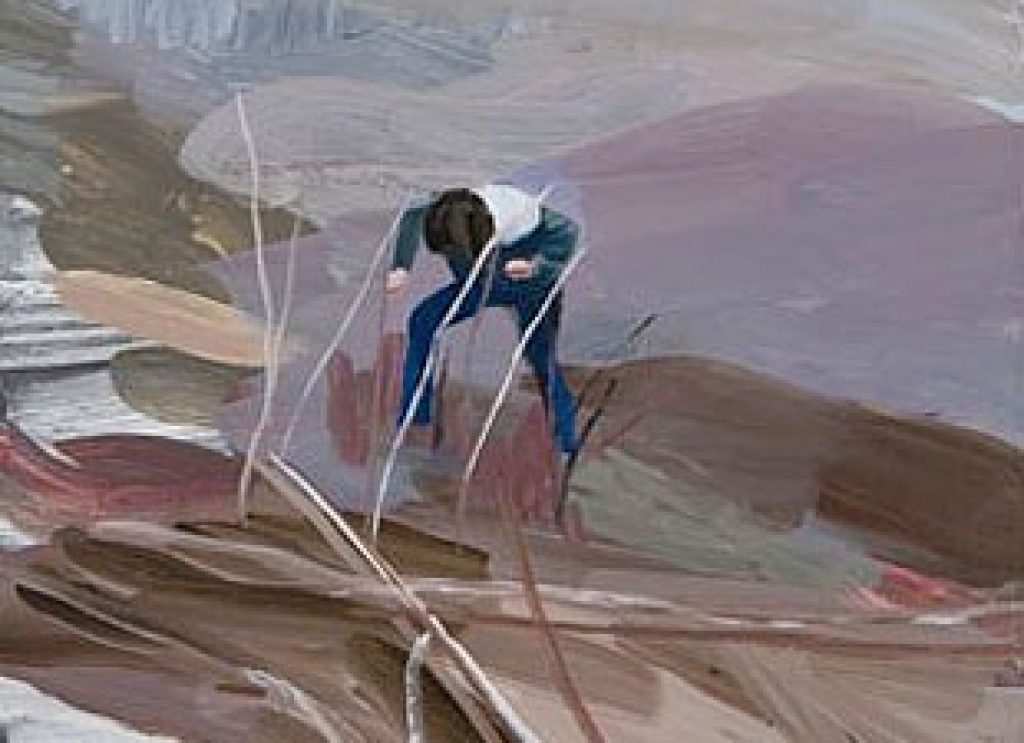
Albrecht believes his concept has touched a nerve with creative people in particular, such as American artists Nikki Lindt and Kate MacDowell, and playwriters who wrote a Broadway play inspired by it.
“Artists have picked up on it because, generally speaking, they are sensitive souls,” he said. “Also, unfortunately, under global development and climate change pressures, the incidence of solastalgia, worldwide, is on the increase.”
Professor Albrecht has coined other ‘psychoterratic’ terms to describe mental health states and conditions which are related to the state of the earth.
Soliphilia, for example, is the feeling of unity and oneness people need to overcome the alienation and disempowerment with the decision-making process they feel. The Occupy protest movement which has spread all over the world is a good example of soliphilia in action, he said.
To further his understanding on solastalgia, Albrecht is using a grant from Murdoch’s Strategic Research Fund to conduct research in the Cape to Cape region of south west Western Australia. In addition, he is engaged in ongoing research on the impacts of climate change on mental health and wrote a book chapter on it in 2011.
——
Source: Murdoch University; Photo: Nikki Lindt.
Disclaimer: This article does not necessarily reflect the views of AsianScientist or its staff.