


Juliana Chan

ABOUT
Juliana is the founder and CEO of Wildtype Media Group, Asia's leading STEM-focused media company, spanning digital, print, custom publishing and events. Brands under Wildtype Group include Asian Scientist Magazine and Supercomputing Asia, award-winning titles available in print and online. Juliana regularly moderates panel discussions and gives talks on science communication.
Stories by Juliana Chan

Enlarging Asia’s Food Basket With Gene Editing
Food security expert Professor Paul Teng talks to Asian Scientist Magazine about how gene editing technologies like CRISPR could help to address Asia’s growing demand for food.

Technology Is Tackling Some Of Agriculture’s Thorniest Issues
There is both a science and art to agritech, and when used correctly it can reverse the biggest challenges farmers face, from climate change to super-invasive pests.

How Viruses And Diseases Get Named
You may be using the terms interchangeably, but SARS-CoV-2 is the name of the novel coronavirus, while COVID-19 refers to the disease that it causes in humans.
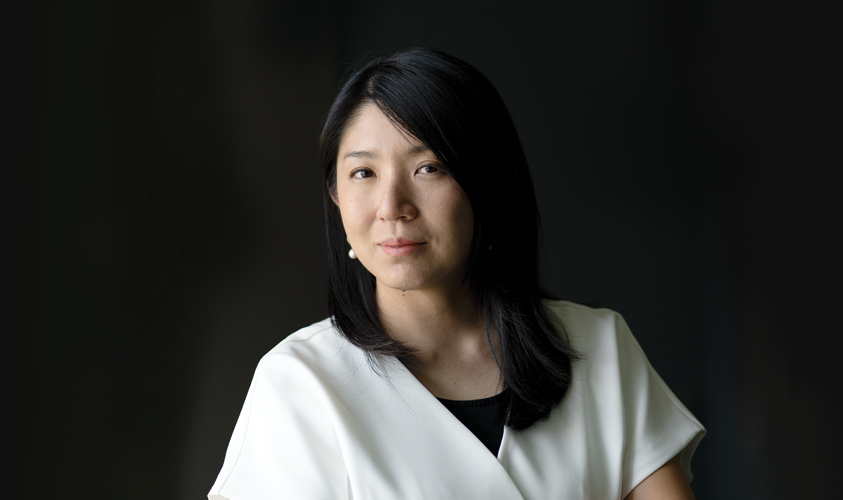
A Minister On A Mission (VIDEO)
As the world awakens to the enormity of the plastic waste crisis, Malaysia’s Yeo Bee Yin has emerged as one of Southeast Asia’s most vocal champions for biodegradable plastics and a new circular economy.

Australia’s Engineer In Office
Australia’s Minister for Industry, Science and Technology, the Honorable Karen Andrews MP, plans to fight climate change and support women in STEM.

It’s All Monkey Business For Andie
Asian Scientist Magazine had a chat with Dr. Andie Ang, who was recently appointed president of the Jane Goodall Institute (Singapore), on her upcoming projects in primate conservation.

Eight Seriously Cool (And Weird) Technologies From The Rekimoto Lab (VIDEO)
Here are eight futuristic technologies that have been turned into reality by Professor Jun Rekimoto of the University of Tokyo.
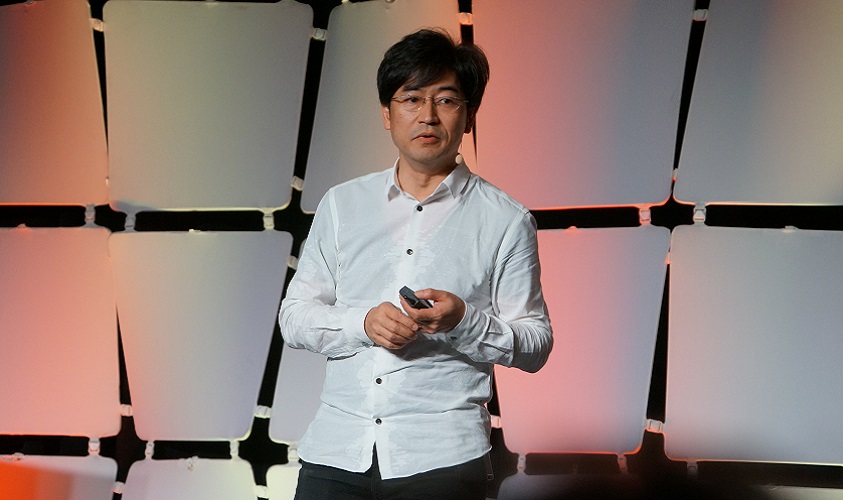
A Romantic Revolution In Technology
We spoke to maverick inventor Jun Rekimoto of the Sony Computer Science Laboratories on the latest technologies in human-computer interaction and artificial intelligence.

An AI On The Prize: Zhang Tong of Tencent’s AI Lab
Dr. Zhang Tong, executive director of the Tencent artificial intelligence lab, shares the tech giant’s plans to solve some of the hardest problems in AI today.