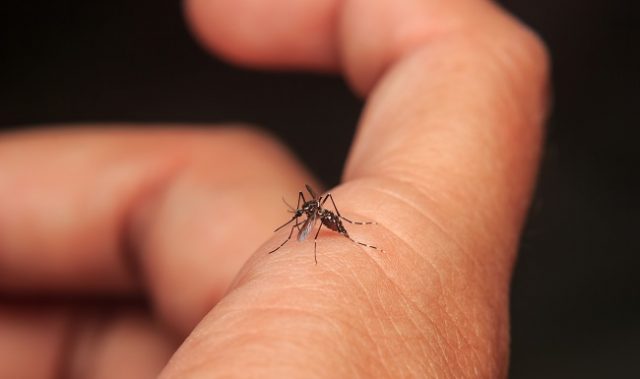
AsianScientist (Jun. 25, 2012) – A secretive and exotic species of mosquito, found across much of Australia, has revealed a new twist on the insect’s famous ‘blood-sucking’ reputation.
University of Sydney researchers discovered that rather than breeding in ponds, pools or wetlands, the Culex molestus mosquito has adapted to life underground, particularly in septic tanks and disused stormwater pipes.
Unlike other mosquitoes, the Culex molestus can also develop their eggs without first requiring a blood meal.
“The curious biological trait of this underground-dwelling mosquito shows that people in cities need to take mosquitoes’ amazing adaptability into account when designing water storage systems,” said Dr. Cameron Webb, from Sydney Medical School and the Department of Medical Entomology at Westmead Hospital.
Webb is the team leader of a study on the mosquitoes which has been published in this month’s edition of the Journal of Vector Ecology.
“We have spent the last two years chasing the species, which has adapted superbly to life beneath our cities,” Webb said. “Finding this mosquito isn’t easy. Instead of wandering through pristine wetlands, we were snooping around stormwater drains and other polluted structures,” said Webb.
The team struck gold at toilet blocks in urban parklands, Webb said, finding the Culex molestus mosquito in disused septic tanks associated with these structures.
While the majority of pest mosquitoes require blood to develop their eggs, the female of this species can develop and lay a batch of eggs using nutrients stored earlier in its life cycle. This phenomenon is known as autogeny and has been documented in a number of mosquitoes.
“The breakthrough with our study is that if this mosquito is offered a blood meal, it won’t bite until its first batch of eggs has been laid. We believe this is the only Australian species to exhibit this behavior,” Webb explained.
“Once that first batch of eggs has been laid, they are on the hunt for blood and can be severe nuisance-biting pests.”
This ‘bloodless’ adaptation may ensure the mosquito can exclusively exploit these habitats not just during the summer but throughout the year.
Culex molestus is thought to have been introduced into southern Australia in the 1940s, hitching a ride into the country with travelling American military personnel. Since then, the mosquito has been found in all states except Queensland and the Northern Territory.
The article can be found at: Kassim NFA et al. (2012) Is the expression of autogeny by Culex molestus Forskal (Diptera: Culicidae) influenced by larval nutrition or by adult mating, sugar feeding, or blood feeding?
——
Source: University of Sydney.
Disclaimer: This article does not necessarily reflect the views of AsianScientist or its staff.