


university of tokyo

No Iron? No Problem For This Bacteria
Deep sea microbes can use electrons to fix carbon when iron ions are not sufficient, researchers say.

Two Telomere-Binding Proteins That Regulate Sex Cell Division
The discovery of MAJIN and TERB2 could help scientists understand defects in meiosis which cause birth defects and miscarriages.

Where Do Athletes Store Motor Memory?
fMRI imaging has identified the regions of the brain involved in both long- and short-term storage of motor memory, a finding which could help train and rehabilitate athletes.

Schizophrenia In The Media: What A Difference A Name Makes
Although the Japanese term for schizophrenia was changed in 2002 to reduce the stigma attached to the condition, it continued to be associated with crime in the newspapers.

What Makes Some H. pylori Bacteria More Likely To Cause Cancer?
Duplication of the SHP2 binding site in the H. pylori protein CagA increases its binding by a hundred times, elevating the risk of gastric cancer.

The Epigenetic Switch That Triggers Fat Cell Maturation
How do preadipocytes maintain plurpotency while remaining poised for differentiation? A unique bivalent epigenetic switch may be the answer.
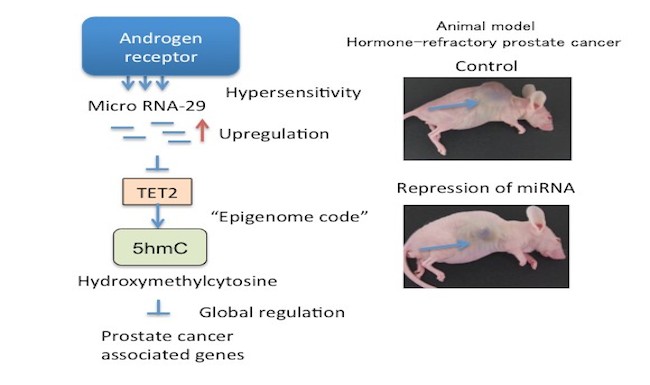
Why Hormone Therapy Becomes Ineffective Against Prostate Cancer
Researchers have identified an miRNA associated with drug-resistant prostate cancer that could be useful as a drug target or diagnostic marker.

Printable, Flexible Sensor Directly Measures Lung Temperature
This highly responsive and flexible temperature sensor can be directly attached to biological tissue for precise monitoring in medical applications.

Diagnosing & Staging Liver Cancer Non-Invasively
Capturing fragments of tumor DNA from the bloodstream allows scientists to diagnose liver cancer without the need for invasive biopsies.


