


japan

Artificial Catalysts For Epigenetics Without Enzymes
Scientists in Japan have performed DNA acetylation in living cells using chemical catalysts instead of biological enzymes.

Visualizing How T-Cells Ready Their Arsenal
Using single-molecule tracking and quantitative analysis, scientists have discovered how T-cells rearrange their surface molecules to mount an immune response.

Perovskite LEDs For A Brighter Future
Using a method known as chemical vapor deposition, scientists in Japan have created perovskite-based LEDs that may one day replace conventional LED lights.
Memories Take A Detour In The Brain
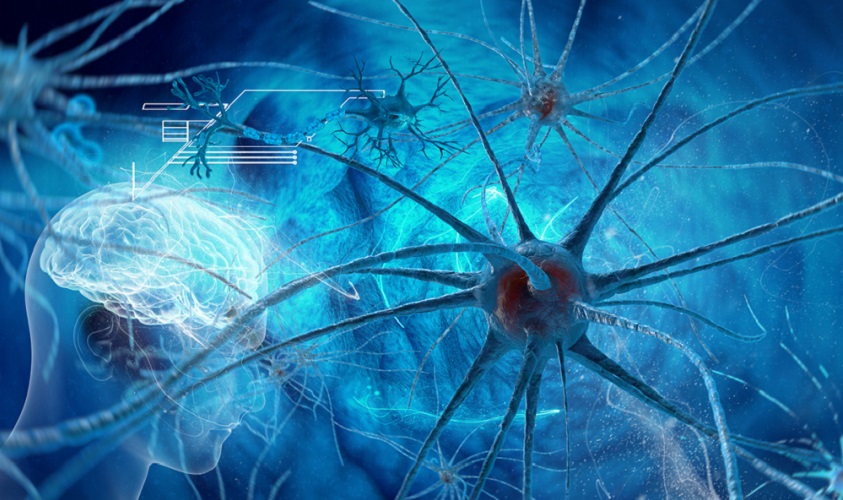
Memories are formed in and retrieved from different parts of the brain, according to an optogenetic study by researchers in Japan.

Brain Chemical Controls Appetite And Fat Storage
Scientists in Japan have identified the protein in the brain that controls appetite and body fat composition.

Why Some People Are Allergic To Both Pollen And Peaches
A protein found in cyprus pollen is highly similar to molecules found in peaches and citrus fruits, explaining the cross-reactivity between respiratory and food allergens.
An Artificial Womb Offers Hope For Preemies
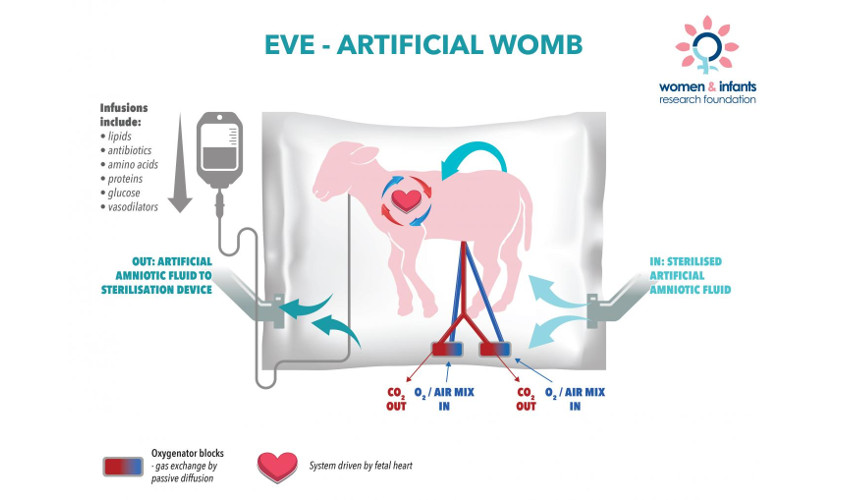
Scientists have developed an artificial womb that could someday save the lives of extremely premature babies.

Reprogramming ‘Fixes’ Trisomic Sperm
Cells with extra sex chromosomes can be reprogrammed to create sperm with the correct number of chromosomes that can give rise to healthy offspring.

Fish Oils Suppress Seizures Through Estrogen
Docosahexaenoic acid (DHA) from food reduces the severity of seizures in mice by causing more estrogen to be produced in the brain, researchers say.


