


japan
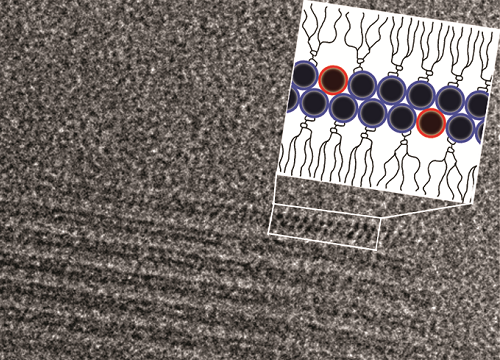
Achieving Nanoscale Control Of Self Assembly
Japanese scientists have successfully fine-tuned the self-organised assembly of organic electronic materials.
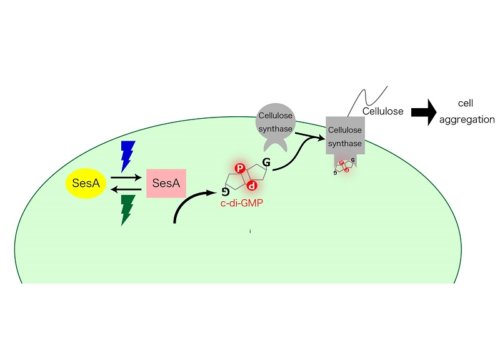
Blue Light Changes Bacterial Lifestyle
The photoreceptor SesA enables cyanobacteria sense blue light and produce cellulose to avoid light damage.

Singapore Hosts The 8th Asian Science Camp
Aspiring young scientists from all across Asia got the chance to interact with Nobel Prize winners at the 8th Asian Science Camp 2014.

Turning Waste Heat Into Air Conditioning
The Combined Heat and Power plant jointly developed by A*STAR and Hitachi achieves high efficiency with low operation costs.

Eisai & Zeria To Develop Gastic Acid Drug
Eisai grants Zeria the right to manufacture E3710, a proton pump inhibitor than can be used to treat gastric acid-related diseases.

Beating Lithium-Ion Batteries Flat
Common elements such as sodium and iron could replace rare-earth metals in batteries of the future.
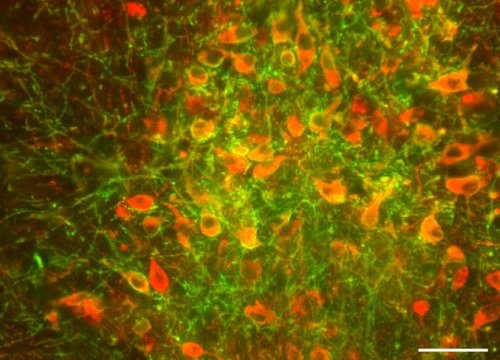
Can’t Wait? Serotonin Might Help
Stimulating serotonin production can make mice wait longer for a food reward.

Sniffing Out An Artificial Insect ‘Nose’
Insect odorant receptors on tiny balls of cells have been used to develop biosensors for gaseous compounds.

The Chemical Signature Of The Birth of The Stars
Scientists discover a star with a chemical composition similar to the first stars to form after the big bang.


