


japan
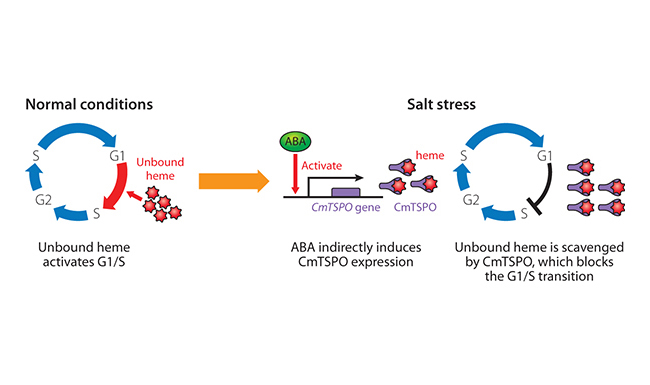
How Algae Survive In Salty Water
Even algae use abscisic acid to regulate their response to salt stress, scientists find.

Rubber Plantations Contribute To Reduced Ant Biodiversity
At a rubber plantation in China, researchers not only found a striking decrease in the number of ant species, but also in the ants’ functional and phylogenetic diversity.

Japan To Contribute US$130 Million Replenishment To GHIT Fund
The move highlights the Japanese government's commitment to playing a leading role in global health issues.

Singaporean Elected As 2016 Associate Member Of EMBO
Professor Ng Huck Hui, executive director at the Genome Institute of Singapore, is currently the only Singapore-based associate member of the prestigious organization.
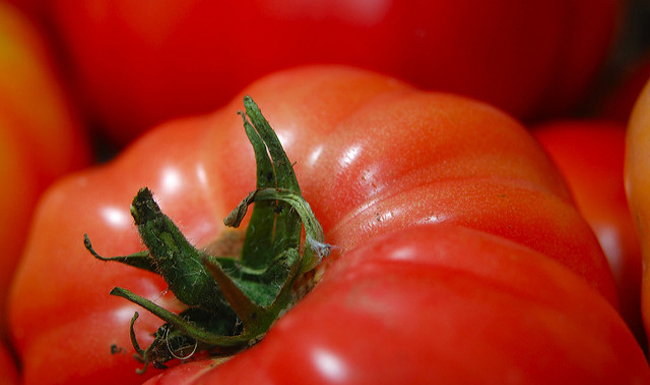
Why Do Tomatoes Smell ‘Grassy’?
Tomatoes could be made to smell less ‘grassy’ by switching on genes that reduce the levels of a compound called 3-hexenal.
How A Molecular Switch For Bone Formation Works
The transcriptional regulator Sp7/osterix could be the key to unlock the blueprint of bone formation in vertebrates, according to a genome-wide study.

3D Map Of 3,000 Distant Galaxies Prove Einstein Right
Einstein’s hundred year old theory of relativity still holds, according to a 3D map of 3,000 galaxies 13 billion light years from Earth.

B Cells Found To Contribute To Sepsis
B cells, better known for producing antibodies, have now been found to also play an important role in the inflammatory response against bacterial toxins during sepsis.

Swallowed A Battery? Origami Robot Surgeon To The Rescue!
This ingestible robot unfolds itself in the stomach and, steered by magnetic forces, can remove button batteries or heal wounds.


