


institute for basic science

How Do 2D Materials Crack?
To understand how thin two dimensional materials crack, we must go beyond existing theory, scientists say.

To Bloom Or Not To Bloom
Epigenetics, specifically deacetylation, are part of the puzzle that controls how plants decide when to flower.
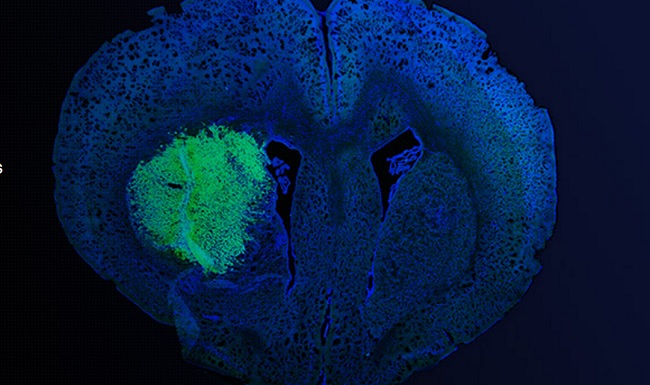
Double Binding Antibody Modifies Tumor Microenvironment
Researchers have found a dual-binding antibody that enhances the delivery of anti-cancer drugs by ‘normalizing’ tumor blood vessels.
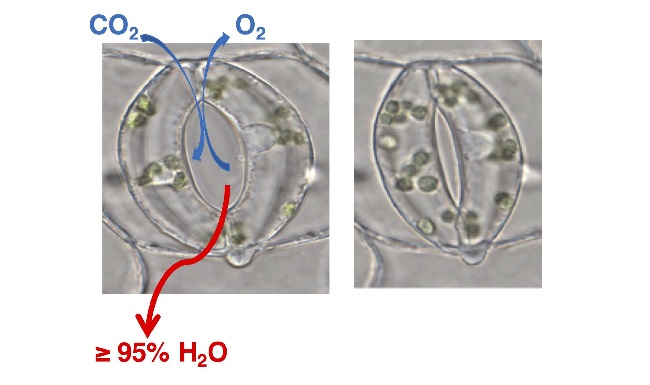
How An Amino Acid Can Control A Plants’ Breath
Plant scientists have demonstrated how a type of amino acid helps to regulate the opening and closing of tiny plant pores called stomata.

Paving The Way For Light-Based Circuits
We are one step closer to computers that process information through light now that researchers have built optical transistors, multiplexers and signal detectors.

The World’s Thinnest Photodetector
Korean researchers have developed a photodetector that is ten times smaller than the current standard silicon diodes.

Our Immunity Decreases In Old Age Due To Lack Of Support
Immune cells called naïve T-cells start to disappear as we age, possibly due to deterioration in the environment that supports the survival of these cells, a study shows.

Heart Mesh Keeps Beats In Sync (VIDEO)
A step up from traditional pacemakers, this mesh wraps around the heart, synchronizing heartbeats by delivering electrical impulses to the entire organ.

Liver Health Supplement Reduces Colon Tumor Growth In Mice
Baicalein, a herbal supplement, binds to mismatched DNA and causes cancerous cells to self-destruct in a tightly-regulated cell suicide process.


