


The Asian Scientist 100
Yi Yang

Institution
University of Hong Kong
Country
Hong Kong
Field
Physics
Yang received the 2024 Croucher Tak Wah Mak Innovation Award for his research aiming to realise strong free-electron-light interaction by interfacing slow nonrelativistic electrons with judiciously designed photonic environments.
(Photo: University of Hong Kong)
AWARDS
- 2024 Croucher Tak Wah Mak Innovation Award
Related articles
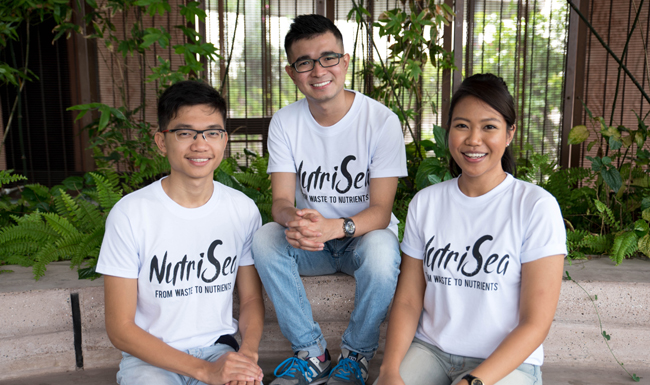
Nutritional Seaweed Kit Wins Shell Ideas360 Audience Choice Award
A kit that makes nutritional supplements out of seaweed has topped a live audience vote at Shell’s global innovation competition.

Why Are Law And Medicine So Popular In Singapore?
Being a doctor or a lawyer is a popular aspiration for many Singaporeans, and earning power is just one of many reasons behind it.
The Women Of The Asian Scientist 100 (VIDEO)
From the co-discoverer of carbon nanotubes to the first Chinese woman to win a Nobel Prize, here are the 15 female scientists featured on the AS100 list.

Biomaterials ‘Spin’ Doctor
In somewhat of a happy accident, Teoh Swee Hin was inspired by a pregnant graduate student to develop a cell bioreactor that rotates like a baby in the mother’s womb.
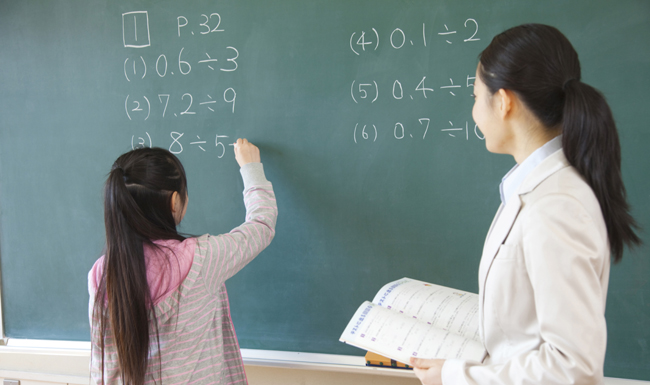
Why Are Asians So Good At Maths And Science?
Asian universities are constantly coming up tops in international rankings. Is there a science to why Asian students excel academically?

NTU Singapore Launches Separation & Filtration Center
The new center will develop innovative separation and filtration technologies and serve as a link between industry with academia.

Macromolecule Packs Three-Hit Combo Against Viruses
Just a small amount of this macromolecule could potentially neutralize an entire room infected with viruses such as Ebola.

Lettuce Grown Under LED Lights Have Lower Nitrates
To grow lettuce with more antioxidants and less nitrates, simply expose to continuous red-blue and green LED light for 24 hours.

A Laser-Focussed Life
From protecting the navy’s ships to boosting Singapore’s electronic warfare capabilities, Professor Su Guaning has been decorated many times for his pioneering defence research.