


The Asian Scientist 100
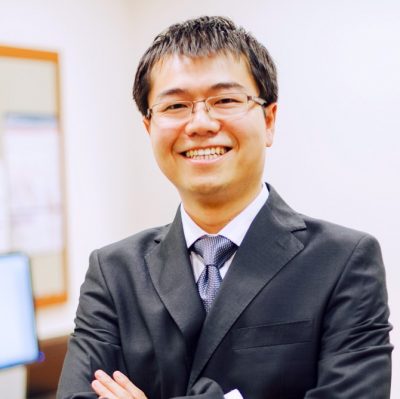
Yan Ning
Institution
National University of Singapore
Country
Singapore
Field
Environmental Sciences & Geology
For his research on harvesting materials from waste through rational catalytic design, Yan was awarded the 2017 Environment, Sustainability and Energy Division Early Career Award.
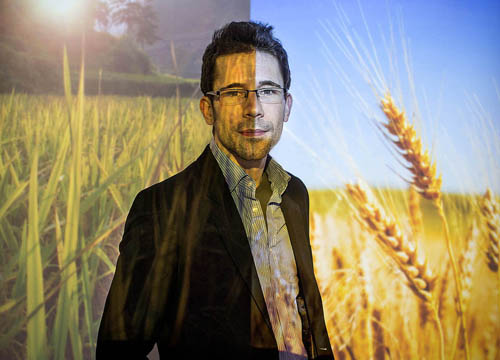
(Photo: National University of Singapore)
AWARDS
- 2017 Environment, Sustainability and Energy Division Early Career Award
Related articles
Nanomedicine For Glaucoma By NTU & SERI
The nanotechnology-based drug delivery system jointly tested by NTU and SERI allows glaucoma patients to do away with daily eye drops.

South Asia Lacks Predictive Model For Aerosols
South Asia requires a more accurate model of aerosol behavior in the region for better predictions of the spread of disease and flight disruptions, scientists say.

NTU Launches US$24 Million 3D Printing Center
The opening of the NTU Additive Manufacturing Center (NAMC) also saw the launch of a S$5 million collaboration with SLM Solutions and an international scientific conference.

US$24 Million CRADLE For Tertiary Education Research
The Center for Research and Development in Learning will focus on innovative teaching methods for tertiary education in Singapore.

Information Deficits In India’s Higher Education
To improve the quality of education in India, higher education institutions should submit information to the authorities, says Prof. Pushkar of BITS Pilani.
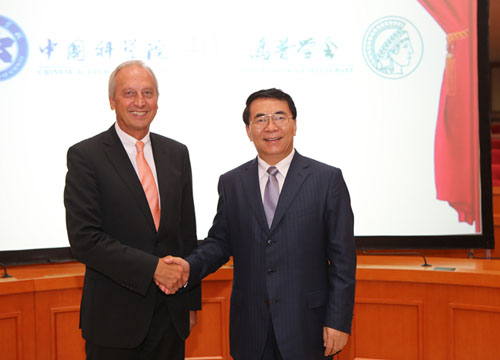
CAS & MPG Celebrate 40 Years Of Partnership
The 40 years of partnership between CAS and MPG have seen over 250 Ph.D.s jointly trained by both national science institutions.
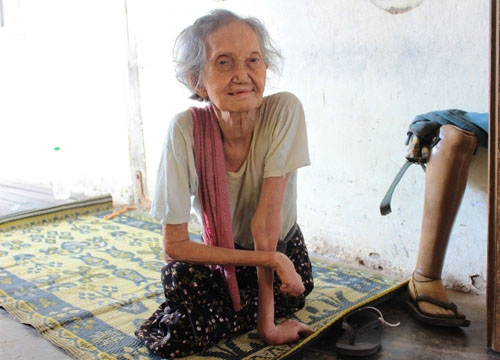
Leprosy Staging Comeback In Myanmar
Since meeting an interim target on leprosy in 2003, elimination efforts in Myanmar have taken a back seat to other infectious diseases.
Rice Or Wheat? Crop Choice Could Influence Collectivism
Scientists suggest that growing the more labor-intensive crop of rice has led Southern Chinese to be more collectivist than their Northern wheat-growing counterparts.

Sterilization With Smaller, Safer Vacuum UV lamps
Scientists have invented the first solid-state vacuum UV lamp that promises smaller, safer and longer lasting UV lighting.