


The Asian Scientist 100
Yan Ning
Institution
National University of Singapore
Country
Singapore
Field
Environmental Sciences & Geology
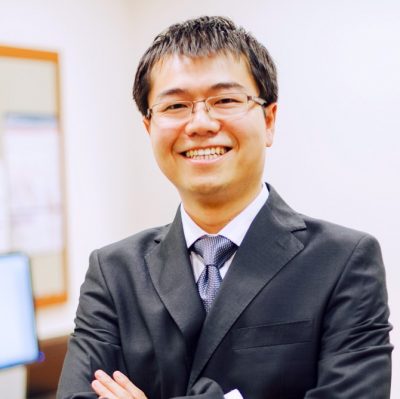
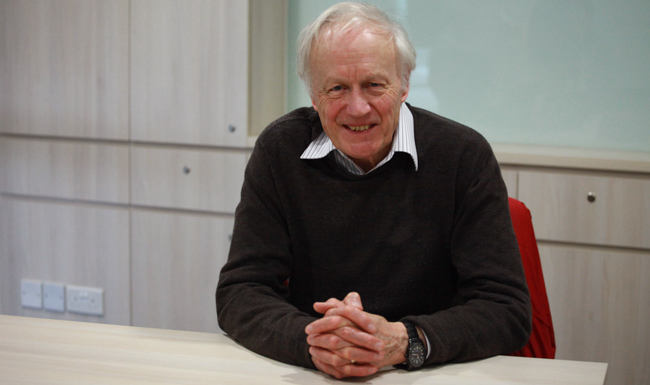
For his research on harvesting materials from waste through rational catalytic design, Yan was awarded the 2017 Environment, Sustainability and Energy Division Early Career Award.
(Photo: National University of Singapore)
AWARDS
- 2017 Environment, Sustainability and Energy Division Early Career Award
Related articles
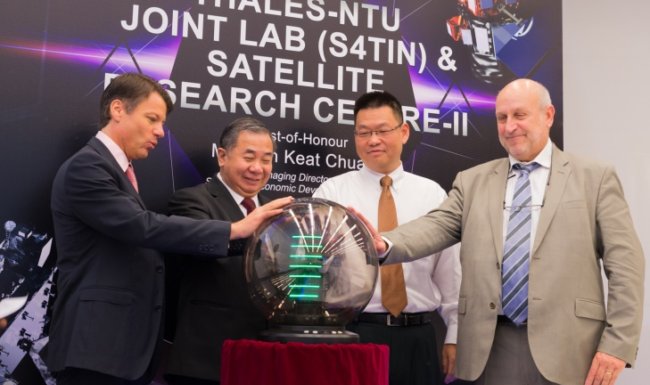
NTU Scores Big Partner For Microsatellites
The Thales-NTU joint lab will focus on developing technologies for nano and microsatellites.
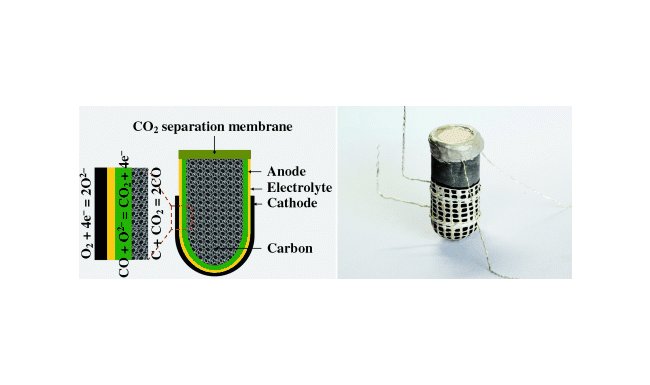
Tubular Batteries Pack More Power
A ceramic membrane that enables the separation of CO2 from CO could facilitate the development of carbon fuel batteries.

Financial Regulations: Boon or Burden?
How should we regulate our financial institutions to find a balance between stability and risk? SMU Assistant Professor Tharindra Ranasinghe investigates.

Call To Action Against Illegal Payments To India’s Medical Colleges
Illegal payments to private medical colleges are undermining India's health system, according to two articles published in The BMJ.

Of Brains And Birdsong
A more refined technique has helped identify the acropallium as the region of the brain responsible for song generation in zebra finches.
Celebrating 50 Years Of Singaporean Scientists
Drs. Juliana Chan and Rebecca Tan have set themselves the mission of turning Singapore’s scientific pioneers into household names.
GYSS@one-north 2015: Search For Satisfaction, Not Just Significance
Sir Anthony Leggett advises young scientists not to conduct research with an eye to winning prizes but to do something that they find personally satisfying.
Singapore’s Scientific Pioneers Celebrated In Print
Drs. Juliana Chan and Rebecca Tan have set themselves the mission of turning Singapore's scientific pioneers into household names.

GYSS@one-north 2015: In Defense Of Scientific Curiosity
Hypothesis-driven research should not be neglected, says a panel of eminent researchers at the Global Young Scientists Summit 2015.