


The Asian Scientist 100
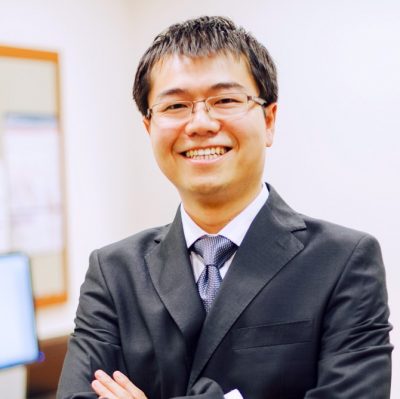
Yan Ning
Institution
National University of Singapore
Country
Singapore
Field
Environmental Sciences & Geology
For his research on harvesting materials from waste through rational catalytic design, Yan was awarded the 2017 Environment, Sustainability and Energy Division Early Career Award.
(Photo: National University of Singapore)
AWARDS
- 2017 Environment, Sustainability and Energy Division Early Career Award
Related articles

Nobel Laureate’s Death Spotlights Quality-Of-Death Issues
The death of Nobel Laureate Richard Heck in the Philippines highlights the shortcomings of public healthcare in many Asian nations.

Singapore’s Scientific Pioneers: A Tribute To Those Who Paved The Way
Singapore's Scientific Pioneers was officially launched on August 29, 2015 at an ceremony held at Goodwood Park Hotel.

Dammed If You Do, Damned If You Don’t?
Giant dams like the Three Gorges Dam and Xayaburi Dam look set to radically shape the hydropower sector in Asia. But at what cost?
The Basement Tinkerer
Professor Freddy Boey has gone from basement tinkerer to the provost of Nanyang Technological University, Singapore.

Spot Glaucoma With Your Smartphone
Researchers from the Indian Institute of Science, Bangalore, have developed a method to diagnose glaucoma from smartphone images.
Helping Singaporeans Stay NIMBELS Through Research
The NTU Integrated Medical, Biological & Environmental Life Sciences (NIMBELS) Cluster features Southeast Asia’s first phenome center.

A Thermal Invisibility Cloak
A new thermal invisibility cloak, which actively redirects heat, may bring Harry Potter's invisibility cloak closer to reality.

How Stem Cells Defend Against Viruses
Epigenetic mechanisms are crucial in embryonic stem cells' defense mechanism against viral infections, scientists say.

Business Law Beyond Borders
The SMU Centre for Cross-Border Commercial Law in Asia (CEBCLA) is facilitating Singapore’s development as a major commercial law centre by conducting rigorous research on the practice of commercial law in Asia’s increasingly complex business environment.