


The Asian Scientist 100
Yan Ning
Institution
National University of Singapore
Country
Singapore
Field
Environmental Sciences & Geology
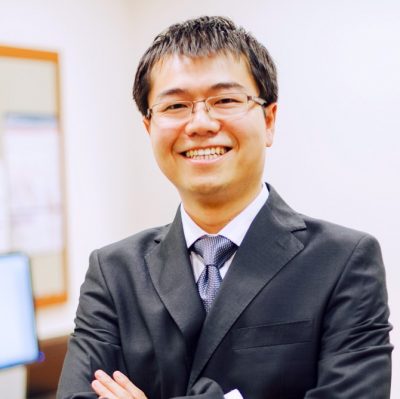
For his research on harvesting materials from waste through rational catalytic design, Yan was awarded the 2017 Environment, Sustainability and Energy Division Early Career Award.
(Photo: National University of Singapore)
AWARDS
- 2017 Environment, Sustainability and Energy Division Early Career Award
Related articles

Pulling The Curtains On Climate Change
From predicting torrential rains to modeling urban climates, supercomputing provides us the necessary tools to navigate the climate crisis.

Igniting Innovation—An Interview With Richard Eu Of Eu Yan Sang International
In a rapid transition from traditional medical halls to numerous international outlets and an online store, embracing innovation has catapulted Eu Yan Sang into a household name in traditional Chinese medicine.

Stress Might Be Making Your Jaw Pop
Stress linked TMJ disorders are rising but there seem to be little awareness about the condition in the medical community.

Defining A Better AI Future For All
Artificial intelligence is everywhere, but it also needs to be ethical. For some, the path towards ethical AI starts with how we talk about it.

Keeping Time On Asia’s Race To Exascale
All over the world, leading supercomputing centers have begun to reach the lofty goal of exascale computing.

From Turning Doorknobs To Queuing Ducks – It’s The Ig Nobel Prize!
Two research groups from Asia are part of this year’s Ig Nobel Prize, which honor achievements that make people laugh, then think.

Filtering Poisons With Seeds
Waste from vegetable oil manufacturing could cheaply and effectively remove toxic heavy metals from contaminated water, find a Singaporean-Swiss research team.

Shallow Waters, Deep Troubles
Researchers have found that shallow lakes may not only be more sensitive to human-caused nutrient pollution, but harder to restore compared to their deeper cousins.

Of Host Plants And Traditional Medicine
Mistletoe’s medicinal quality depends on the environment of its host plant, discover researchers from China and the UK.