


The Asian Scientist 100
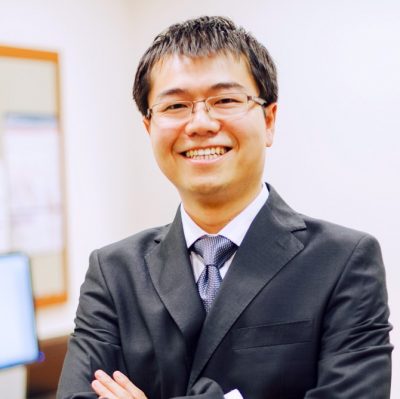
Yan Ning
Institution
National University of Singapore
Country
Singapore
Field
Environmental Sciences & Geology
For his research on harvesting materials from waste through rational catalytic design, Yan was awarded the 2017 Environment, Sustainability and Energy Division Early Career Award.
(Photo: National University of Singapore)
AWARDS
- 2017 Environment, Sustainability and Energy Division Early Career Award
Related articles

Philippine Birds On The Brink Of Extinction
Deforestation, habitat degradation and wildlife exploitation are among the factors increasing the extinction risk of Philippine birds, find scientists.

Finding Peace Among The (Vertical) Plants
Need to relax? Looking at vertical greenery might just do the trick, say scientists from Singapore.

How China Beat Malaria
After four consecutive years of recording zero local cases, China is officially malaria-free—thanks to an innovative rapid reporting and response model.

Painting The Rainbow With Engineered Bacteria
Using metabolic and membrane engineering, South Korean scientists produced seven natural rainbow colorants from engineered E. coli bacteria.
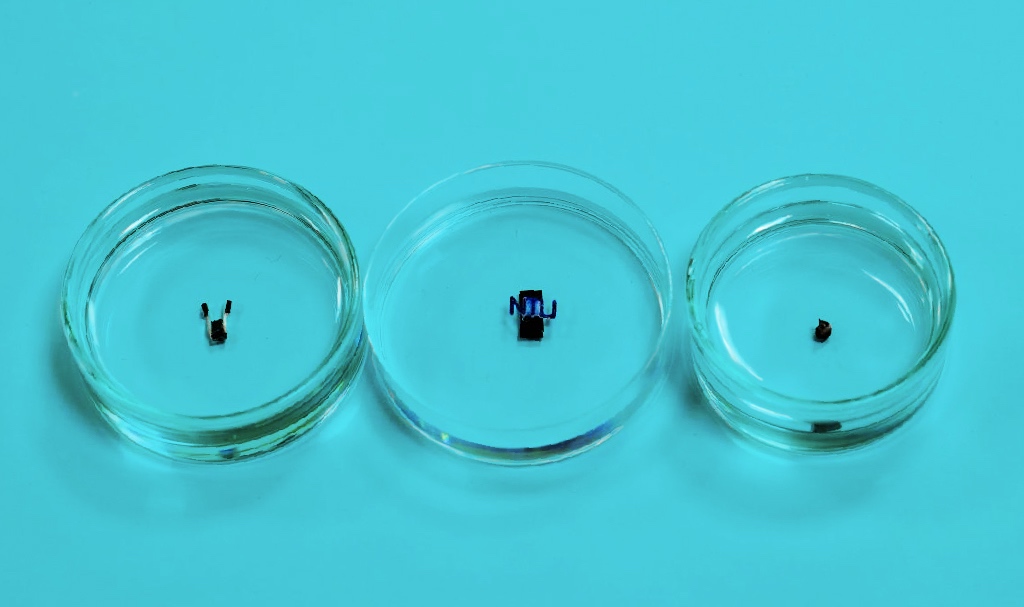
Meet The Magnet-Controlled Miniature Robots
Measuring the size of a grain of rice, these new miniature robots can move across three dimensions with the help of magnetic fields.

Keeping Farming Afloat With Floating Gardens
Adopting Bangladesh's floating gardens could reduce food insecurity in parts of the world prone to flooding because of climate change.

Uncovering The Secrets Of The World’s Toughest Materials
Hexagonal boron nitride’s (h-BN) exceptional toughness comes from its unique structure and composition, helping the material withstand greater stress.

Setting Up Singapore’s Scientific Ecosystem For Success
To empower local researchers in their pursuit of great science, A*STAR’s Research Support Centre in Singapore offers expertise, scientific services and technological support all in one platform.
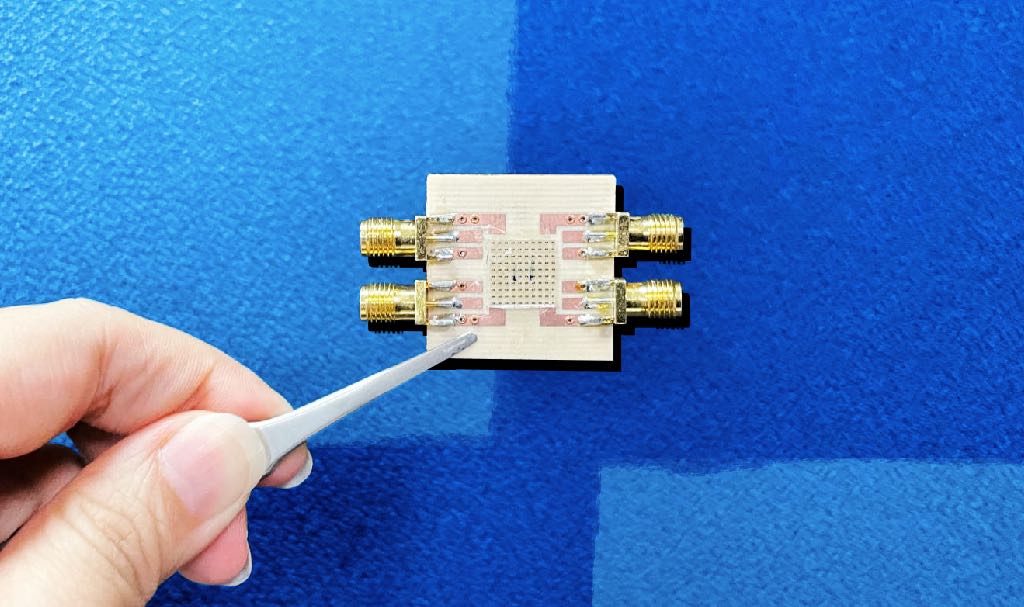
Charging Tiny Electronics With WiFi
A Singapore-Japan team has devised a method to harness WiFi signals and convert them into energy, powering small electronics like LEDs in the process.