


The Asian Scientist 100
Xi Dai
Institution
Hong Kong University of Science and Technology
Country
Hong Kong
Field
Physics
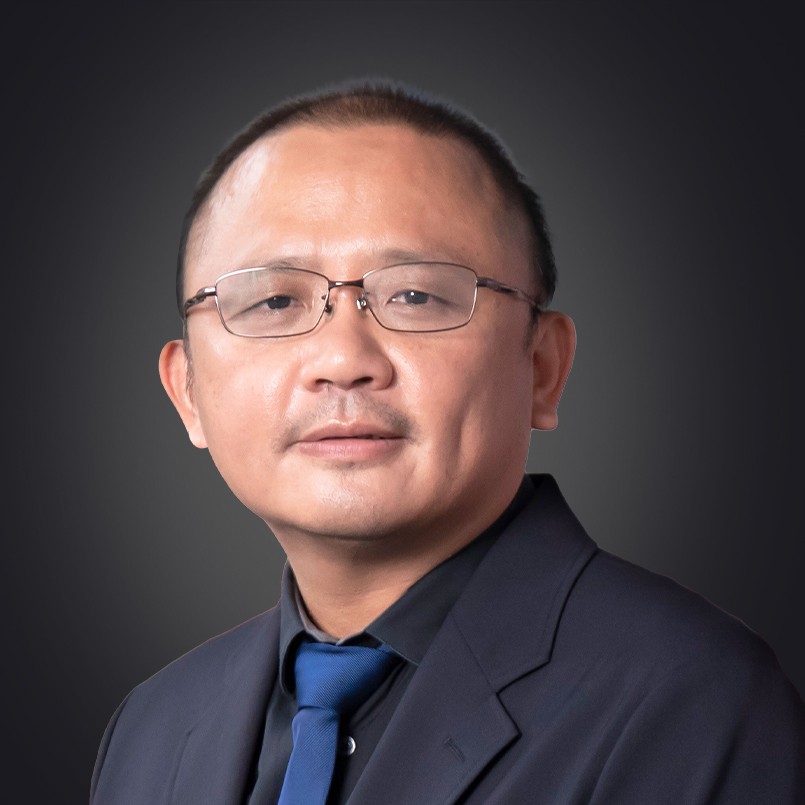
Dai received the 2025 Future Science Prize in Physical Science for pioneering contributions to condensed matter physics and topological materials, including predicting novel quantum states and enabling their experimental realization, advancing next-generation electronic and quantum technologies.
(Photo: The Future Science Prize Foundation)
AWARDS
- 2025 Future Science Prize in Physical Science
Related articles

Digging Into The Science Of Protein Cravings
When deprived of protein, specialized cells in our gut release a hormone telling our brain to crave food containing essential amino acids.

China’s Father Of Hybrid Rice, Yuan Longping, Passes At 90 (In Memoriam)
Yuan Longping's seminal work on cultivating hybrid rice varieties helped feed millions in China and around the world.
Engineering The Future Of Asia
By working at the intersections of the physical, digital and biological spheres, Asia's engineers are ushering in the Fourth Industrial Revolution.

Asian Scientist Magazine’s January 2021 Roundup
Starting the year with surprising uses for human waste in space and ancient worm fossils, here are five of Asian Scientist Magazine’s top pieces from January 2021.

The Future Of Food In Singapore
To achieve 30 percent local food production by 2030, Singapore’s most innovative minds are turning to genome editing, artificial intelligence and even microalgae-based proteins.

Revving Up COVID-19 Research
With the world racing to fight the coronavirus, Asia’s most powerful supercomputers are entering the fray.

In Sickness & In Health: Married Couples Share Susceptibility To Heart Disease
Wives of men with major cardiovascular disease risk factors—namely hypertension, diabetes and dyslipidemia—are more likely to suffer from the same disorders.

CRISPR Takes Center Stage
It’s been nearly a decade since CRISPR captured public imagination. As the technology matures, we’ve rounded up some of CRISPR’s most interesting use cases to emerge in recent years.

The Defence Science Maverick
Professor Lui Pao Chuen, Singapore's ex-chief defence scientist, took one for the team, literally—he once got hit in the arm with shrapnel from an exploding bullet while testing equipment for the military.