


The Asian Scientist 100
Tran Thi Thu Ha

Institution
Thái Nguyên University
Country
Vietnam
Field
Agriculture
Tran was awarded the Vietnamese Kovalevskaia Award 2019 for her research on the breeding and intensive cultivation of trees, the propagation and rearing of non-timber forest products and medicinal herbs, and the development of local medicinal plants.
(Photo: Thái Nguyên University)
AWARDS
- Kovalevskaia Award 2019
Related articles
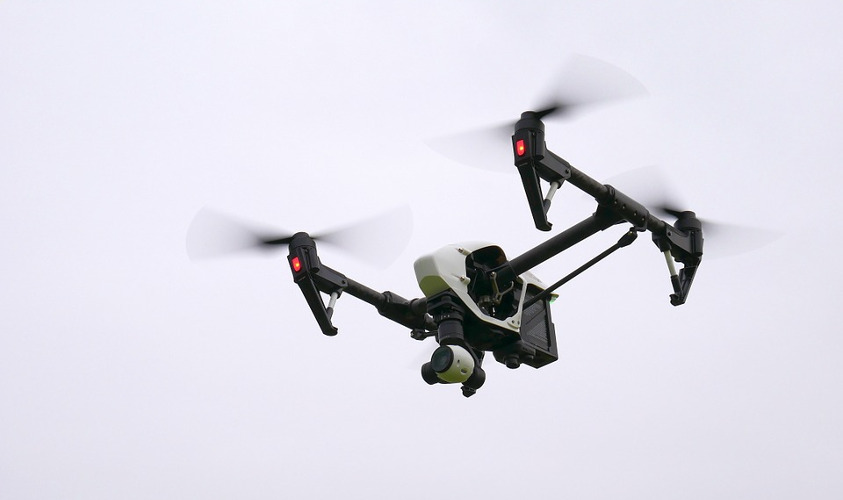
Tilted Rotors Make Drones More Stable
Researchers in Japan have demonstrated that the stability of unmanned aerial vehicles in heavy winds can be improved by angling the rotors of drones outwards by 20 degrees.

Lighting Up Brains And LED Displays
South Korean researchers have fabricated flexible vertical micro-LEDs and used it in optogenetics studies to control the behavior of mice.
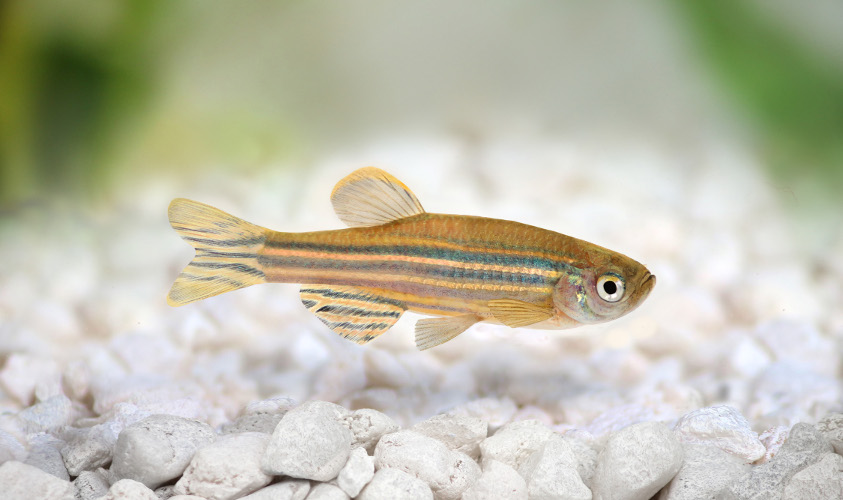
A Nose For Noxious Substances
Using transgenic zebrafish, scientists in Japan have discovered a neural pathway that controls behavioral responses to carbon dioxide.
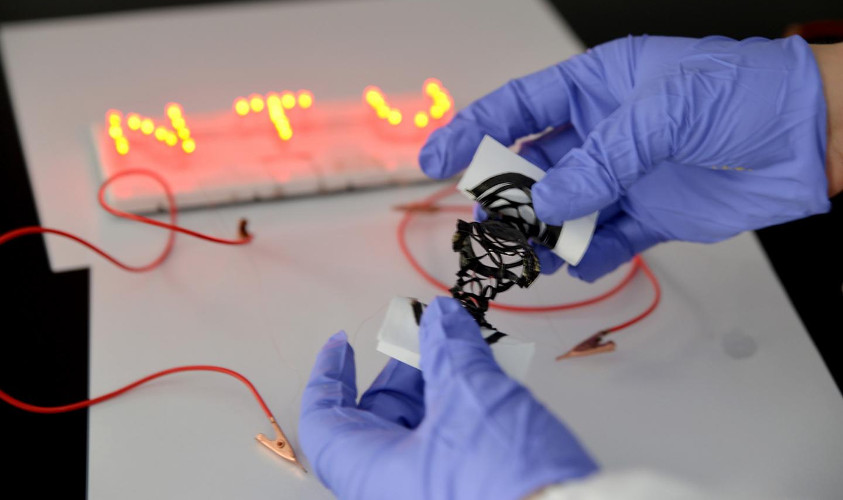
A Wearable Battery You Can Fold And Stretch
A team of scientists in Singapore has developed a customizable supercapacitor that can be used as a power source for wearable devices.

Silver Nanoparticles Make For Surprisingly Stretchy Conductors
Researchers have developed a printable elastic conductor that can retain high conductivity even when stretched up to five times its original length.

Plastic Solar Cells Made Simple
Scientists in Japan and Germany have devised a simple method to fabricate polymer-based solar cells that can efficiently convert sunlight into electricity.
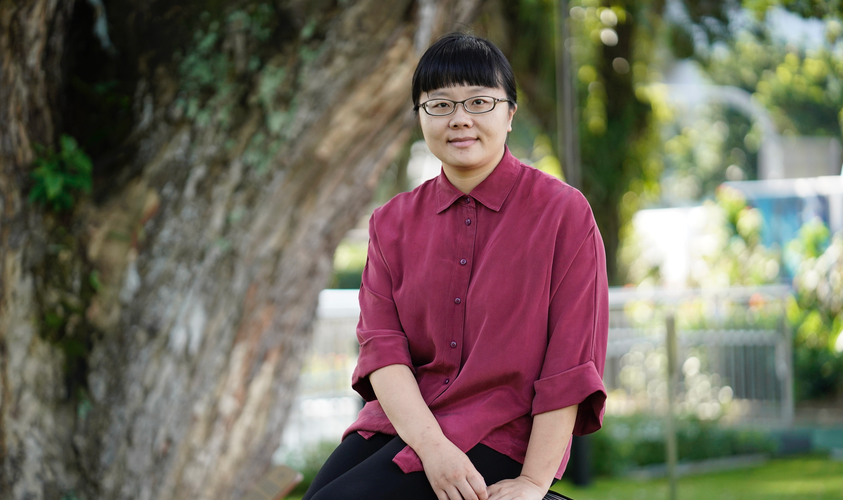
A Head For Hacker-nomics
Unraveling the economics of cyberattacks is just as important as grasping the technologies that hackers use to launch them, says SMU Assistant Professor Wang Qiuhong.

Keeping Top Management In Check
SMU Assistant Professor Sterling Huang examines how corporate governance structure, the threat of litigation and other factors may impact a company’s decision to cook the books.

A Glue That’s Sticky Even Under Water
A team of Korean researchers have developed adhesives that allow for reversible binding when wet.