


The Asian Scientist 100
Tran Thi Thu Ha

Institution
Thái Nguyên University
Country
Vietnam
Field
Agriculture
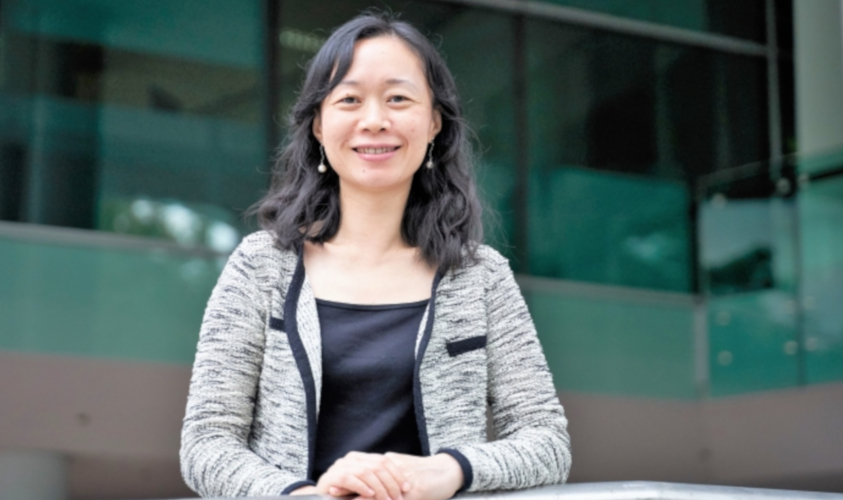
Tran was awarded the Vietnamese Kovalevskaia Award 2019 for her research on the breeding and intensive cultivation of trees, the propagation and rearing of non-timber forest products and medicinal herbs, and the development of local medicinal plants.
(Photo: Thái Nguyên University)
AWARDS
- Kovalevskaia Award 2019
Related articles
Connecting The Dots In Urban Mobility Data
SMU Associate Professor Zheng Baihua is developing methods to help researchers explore the many dimensions of urban mobility data.

Seeing Thick OLEDs In A New Light
A research group in Japan has found that perovskite can be used in the development of thick organic light-emitting diodes that function on par with their OLED-only counterparts.

Blockchain: Not All About The Money
Blockchain’s applications extend well beyond cryptocurrencies and into any realm where trust is of paramount importance, says Ms Swati Chaturvedi of Propel(x).

A Dance Of Giants And Hobbits—How Corporates And Startups Can Collaborate
Partnerships between companies at different ends of the size spectrum can be tricky, but clear targets and timelines, as well as trust, is critical if collaborative innovation is to take off.

Nanoparticles Boost Efficacy Of Cancer Immunotherapy
Researchers in China have developed antibody nanoparticles that boost antitumor immunity in mice.
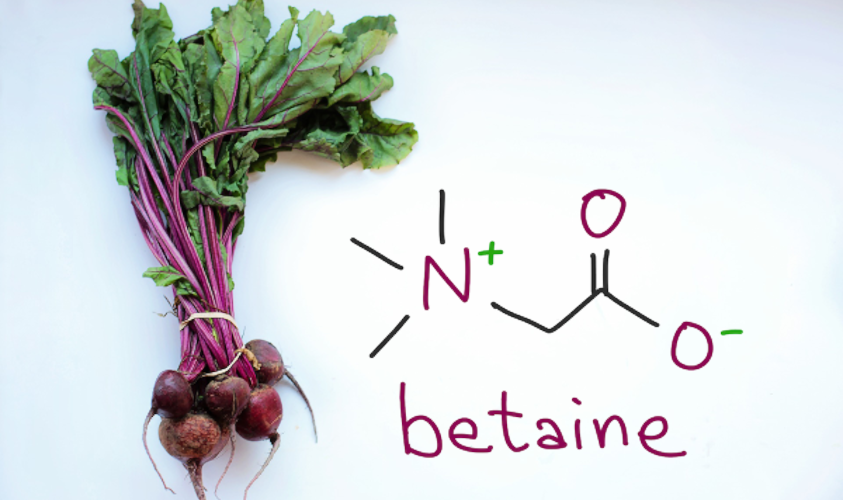
Boosting Betaine Levels To Beat Schizophrenia In Mice
Scientists in Japan found that the antioxidant properties of betaine make it an ideal candidate for the treatment of psychiatric symptoms.

Ctrl-Alt-Meat
Alternative meat, otherwise known as ‘alt-meat,’ is having quite a moment in Asia, with strong venture capital interest and increasing public awareness and acceptance.


Fueling The Future
Green is the new black when it comes to meeting the world’s energy demands, and biofuels have a major role to play in securing a sustainable future.