


The Asian Scientist 100
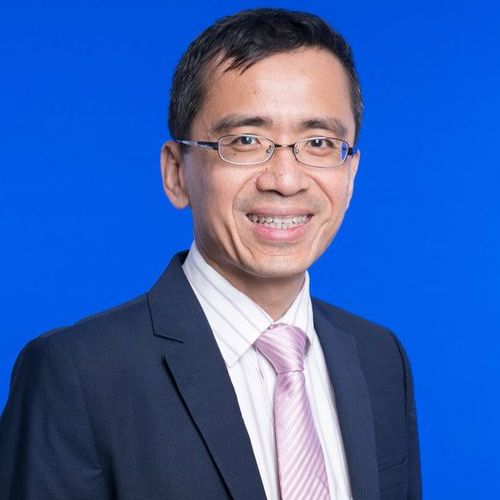
Tan Eng King
Institution
National Neuroscience Institute
Country
Singapore
Field
Life Sciences
Tan Eng King received the 2018 President’s Science Award for identifying clinical biomarkers, developing novel models and transforming patient care in Parkinson’s Disease. (Photo: National Neuroscience Institute)
Related articles

Hokkaido Researchers Break New Ice In Cryosphere Science
Researchers at the Institute of Low Temperature Science at Hokkaido University are uncovering secrets of the climate buried in ice cores.

Winners Of The Asian Scientist Writing Prize 2017 Announced
A total of 26 winners received their prizes at the Asian Scientist Writing Prize 2017 held at the Science Centre Singapore.

A Walk In The Shoes Of Another—With VR
Researchers in Japan have developed a virtual reality-based system that combines visual stimuli and foot vibrations to replicate the experience of walking.
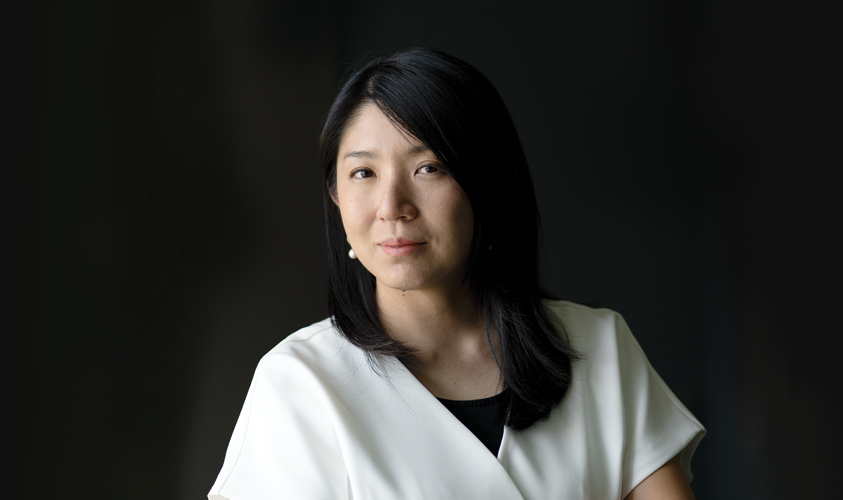
A Minister On A Mission (VIDEO)
As the world awakens to the enormity of the plastic waste crisis, Malaysia’s Yeo Bee Yin has emerged as one of Southeast Asia’s most vocal champions for biodegradable plastics and a new circular economy.
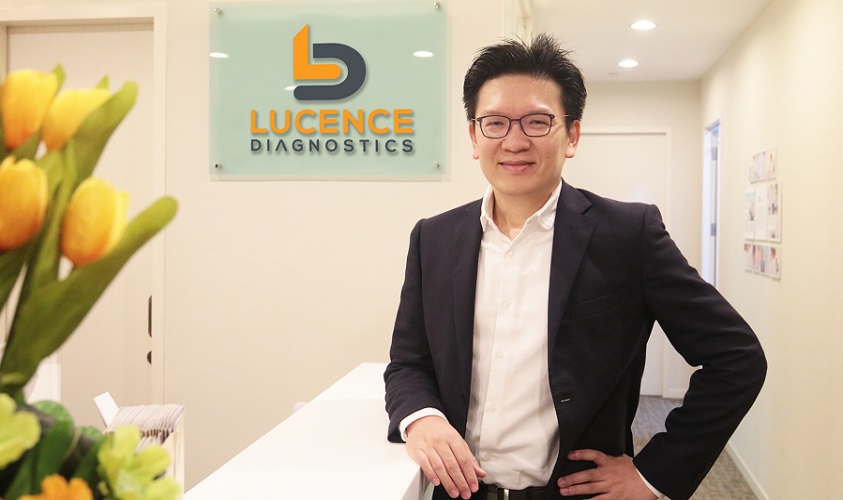
Asia’s Rising Scientists: Tan Min-Han (VIDEO)
Dr. Tan Min-Han is on a mission to improve the detection of cancer using liquid biopsies.
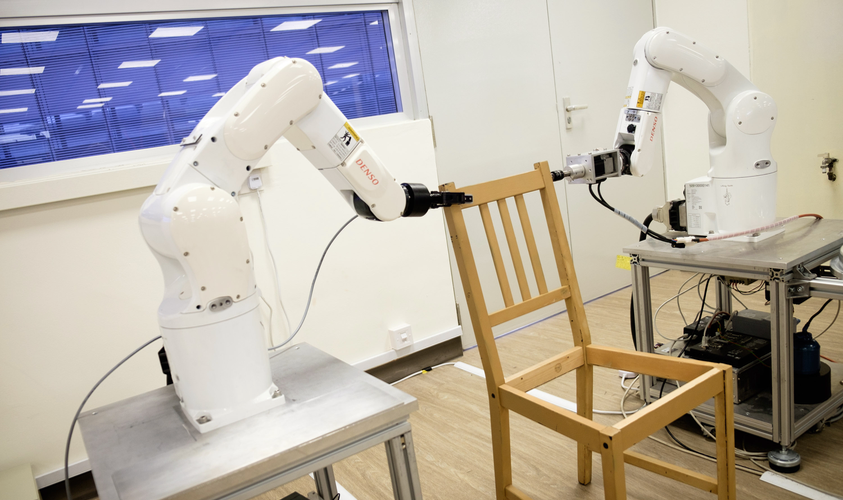
Watch A Robot Assemble Its Own IKEA Chair (VIDEO)
How long does it take you to assemble IKEA furniture? This robot can do it in under nine minutes without any external help.
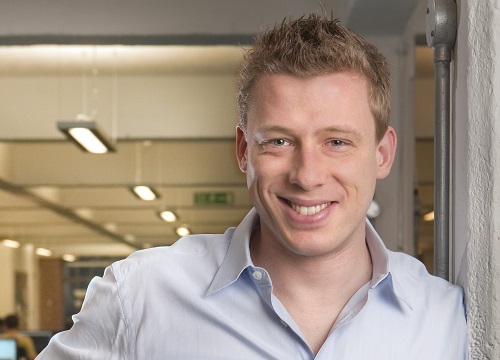
Mendeley Co-Founder: We Made A Social Tool For Academics
Jan Reichelt, the co-founder and president of Mendeley, the popular research-management platform, talks to Asian Scientist about the story and success of the company, and shares his vision for the future.

Gravitating To Singapore
Seeking to study the effects of gravity on muscle mass in humans, Dr. Alfredo Franco-Obregón left the research group he founded at ETH to come to Singapore. He shares his experiences with Asian Scientist.

Optogenetics Reveals Memory Formation Clues
Understanding the formation of fearful memories could lead to better treatments for conditions such as anxiety and post-traumatic stress disorder.