


The Asian Scientist 100
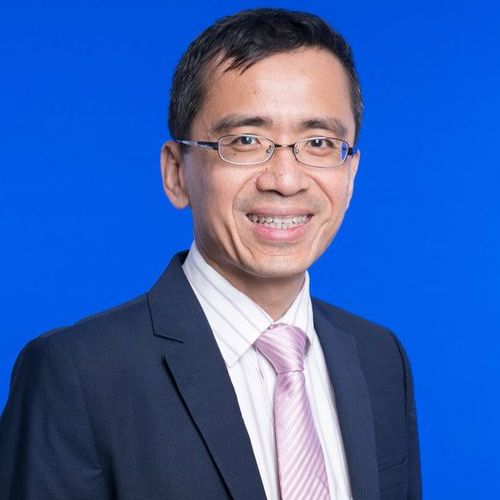
Tan Eng King
Institution
National Neuroscience Institute
Country
Singapore
Field
Life Sciences
Tan Eng King received the 2018 President’s Science Award for identifying clinical biomarkers, developing novel models and transforming patient care in Parkinson’s Disease. (Photo: National Neuroscience Institute)
Related articles

Unleashing The Potential Power Of Energy Harvesting For IoT Devices
As the number of Internet of Things devices continues to grow, innovators explore energy harvesting as a promising solution to ensure power availability.
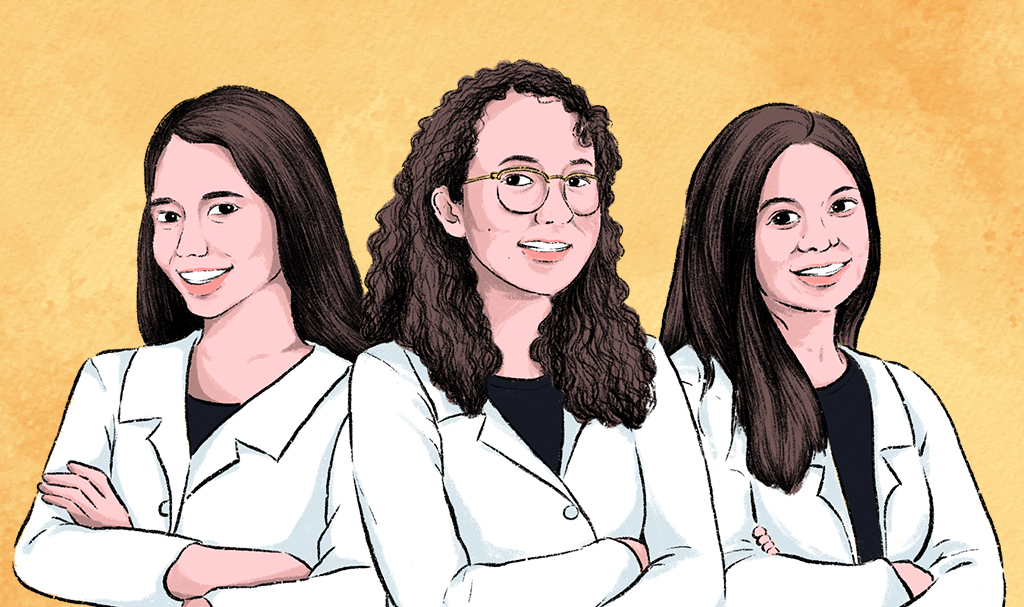
All-women Philippine Team Wins UNESCO Sustainable Engineering Hackathon
WONDERPETS from the Philippines devised a sustainable way to reduce water pollution. We are celebrating their UNESCO hackathon victory today on International Women's Day.

Redefining What Success Looks Like In Tech (VIDEO)
Through The Codette Project, Ms. Nurul Hussain is building an ecosystem where everyone has access to the opportunities and resources they need to succeed in tech. We are revisiting this feature today on International Women’s Day 2022.

The Trouble With Triboelectricity: Lessons From Coffee Mixes
Singapore Institute of Technology (SIT) researchers are mixing up ways to minimize triboelectricity-induced fouling, a problem that has long plagued powdered food manufacturing.
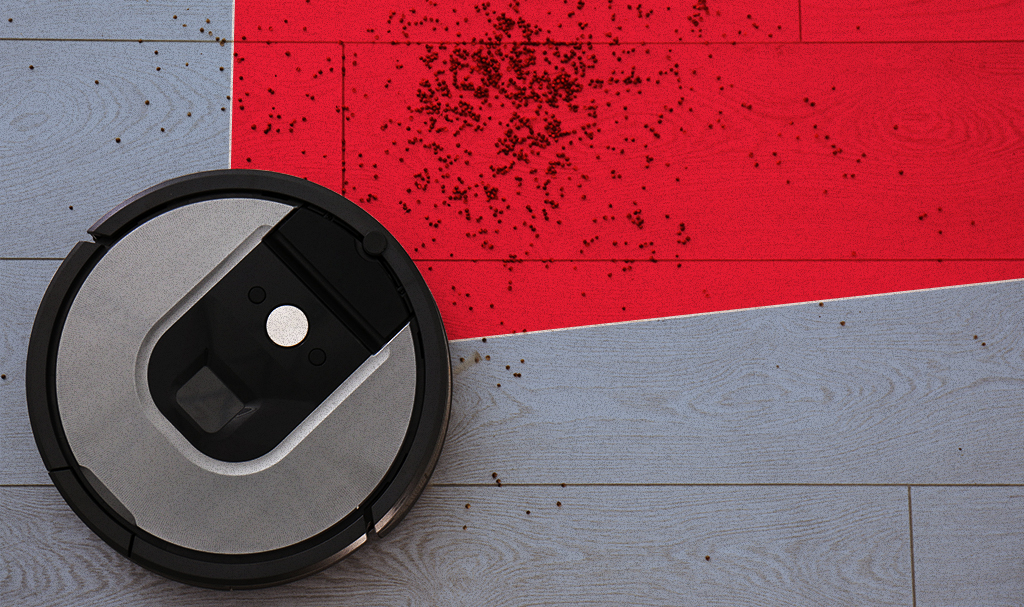
Robots Keep Spotless Score
Researchers from Singapore have designed a sensor for autonomous cleaning robots making them better cleaners.

In Pole Position: Racing Toward Electric Mobility (VIDEO)
Automotive enthusiast Dr. Muhammad Taureza and the Scorpio Electric team are engineering electric bikes to realize a future of cleaner transport.

Creating New Technologies For Tomorrow’s Care
Experts at TechInnovation 2021 discussed the role of medical professionals and the patient journey in a post-pandemic world.

GenScript Launches Manufacturing Facility In Singapore
GenScript’s new facility is set to improve support for scientists in the Asia-Pacific region with shorter delivery time and local collaboration.

Constructing A Sustainable Built Environment
At TechInnovation 2021, experts spoke about how energy-saving design and smart architecture can pave the way for a more sustainable urban environment for Singapore.