


The Asian Scientist 100
Tan Eng King
Institution
National Neuroscience Institute
Country
Singapore
Field
Life Sciences
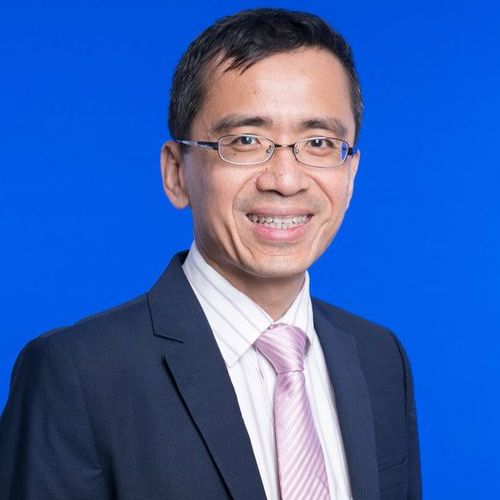
Tan Eng King received the 2018 President’s Science Award for identifying clinical biomarkers, developing novel models and transforming patient care in Parkinson’s Disease. (Photo: National Neuroscience Institute)
Related articles

Asia’s Rising Scientists: Tanzima Hashem
Tanzima Hashem is working on computational techniques that would allow us to use location-based services without giving away our private personal data.

Asia’s Rising Scientists: Matthew Chang
Associate Professor Matthew Chang is leading a team of interdisciplinary scientists to reprogram living organisms to perform useful functions for humans.

Asia’s Rising Scientists: Arun K. Shukla
Arun K. Shukla is tackling some of the most challenging questions in the field of G protein-coupled receptor biology.
Asia’s Rising Scientists: Nathaniel Hermosa II
For optics and photonics researcher Nathaniel Hermosa, light is a tool that can be manipulated to uncover the secrets of the universe.

Asia’s Rising Scientists: Vinayak Sinha
Associate Professor Vinayak shares about his research on atmospheric contaminants and highlights role models who have inspired him on his research journey.
Asia’s Rising Scientists: Varodom Charoensawan
Using a systems biology approach, Assistant Professor Varodom Charoensawan seeks to understand the complexity of gene networks and the way they are regulated.

Ten East Asian Scientists Recognized By Nature
Nature has identified ten outstanding scientists working in East Asia for a special feature on science in the region.

Asia’s Rising Scientists: Pussana Hirunsit
Pussana Hirunsit uses molecular simulations to understand and identify nanocatalysts that can be used to convert carbon dioxide into chemicals and fuel.
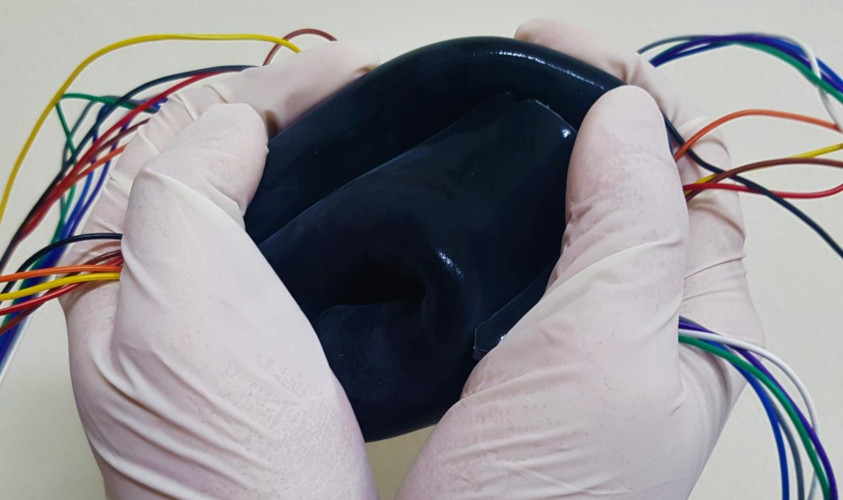
Flexible Keyboards Made Cheap & Crushable
A team of scientists in South Korea have developed a flexible keyboard that can withstand folding and crumpling.