


The Asian Scientist 100
Lu Ke
Institution
Chinese Academy of Sciences
Country
China
Field
Materials Sciences
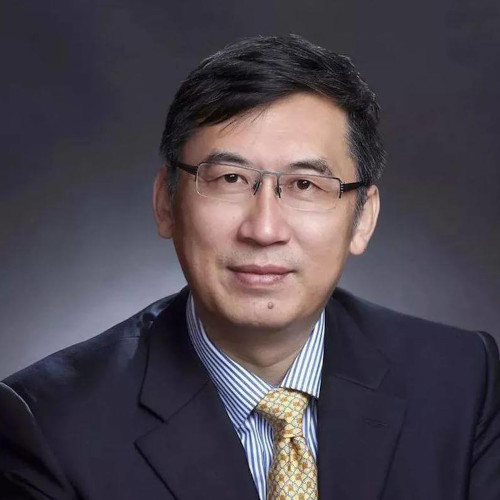
Lu is the winner of the 2020 Future Science Prize (Physical Science Prize) for discovering and synthesizing a superior nanotwinned structure and gradient nanostructure.
(Photo: Future Science Prize)
AWARDS
- Future Science Prize 2020
Related articles

Asian Scientist Magazine’s May 2021 Roundup
From ancient Indonesian caves to the unexplored Martian terrain, Asia’s scientists are making discoveries with vast implications for our world and beyond.

How To Build A Culture That Is Open To Innovation
Leading transformation can be challenging; here are four ways to guide your organization’s journey towards open innovation.

Igniting Innovation – An Interview With Amy Chung Of Containers Printers
With almost four decades of open innovation under their belt, Containers Printers has successfully enhanced their products through collaboration with contacts in and outside of Singapore.

Nuts & Bolts—More Than Just Skin Deep
New and improved technologies for the beauty, healthcare and wearable tech industries.
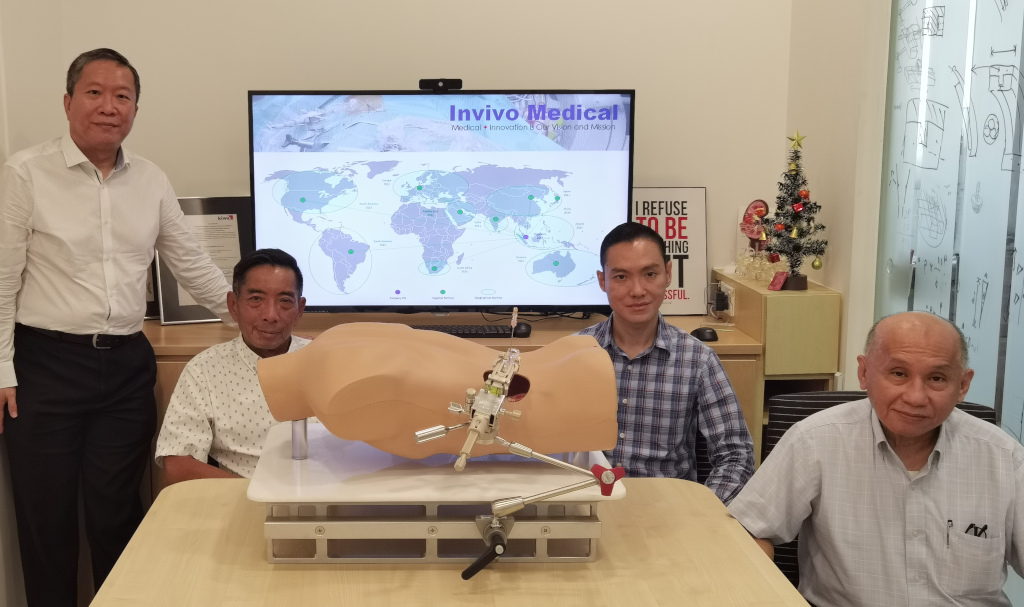
Igniting Innovation—Interview With Dr Joseph Chai Of Invivo Medical
Safe, effective and affordable medical technologies can be brought to the market when the stakeholders across different disciplines successfully collaborate.

Nuts & Bolts—Business Recovery, The AI Way
The COVID-19 pandemic has accelerated digitalization, particularly the adoption of artificial intelligence. Here are three Tech Offers riding the wave.

Riding The New Wave Of Wastewater Treatment Technologies
The flood of industrial wastewater generated in recent decades has led to new and improved wastewater treatment technologies. Download our white papers to find out more.

Nuts & Bolts—Towards A Future Without Food Waste
Learn more about the three Tech Offers on food waste valorisation and develop products that are healthy for consumers as well as the planet.

Carving A Niche–Interview With Irma Ylikangas Of Helsinki Business Hub
For Helsinki Business Hub, finding new and unique ways to work with international partners is the key to successful innovation.