


The Asian Scientist 100
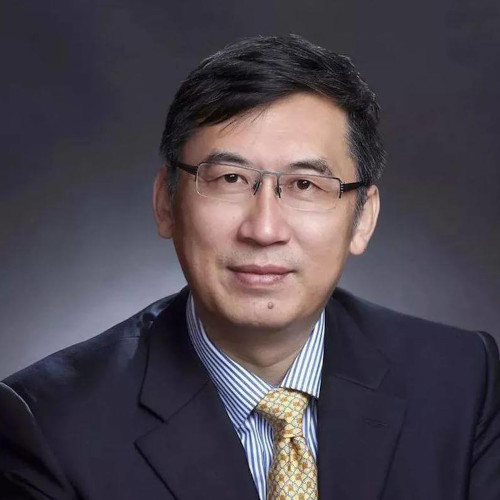
Lu Ke
Institution
Chinese Academy of Sciences
Country
China
Field
Materials Sciences
Lu is the winner of the 2020 Future Science Prize (Physical Science Prize) for discovering and synthesizing a superior nanotwinned structure and gradient nanostructure.
(Photo: Future Science Prize)
AWARDS
- Future Science Prize 2020
Related articles
Chief Scientist Releases Plan For Australia’s Research
Chief Scientist Ian Chubb has launched the National Research Investment Plan, which sets new guidelines for Australian research investment.

Adaptive Licensing To Speed Up Drug Approvals In Singapore
Singapore's health regulatory agency is implementing a new drug development regulatory model to accelerate the translation of drugs into the clinic.

China To Reduce Reliance On Death-Row Inmates For Organs
China is taking a relook at its human organ transplant policies, reports the Bulletin of the World Health Organization.

Filipino Leaders Advocate For Better Science Curriculum, Teacher Salaries
A shortage of good science teachers and low salaries may affect the progress of the new K-12 curriculum, say Filipino educators and leaders.

Indian Environmentalist Dr. Ashok Khosla Receives WWF Conservation Medal
Dr. Ashok Khosla OBE, one of the world’s leading experts on the environment and sustainable development, has been awarded the 2011 WWF Duke of Edinburgh Conservation Medal.

Indian Teen Wins YouTube Space Lab Science Competition For APAC Region
India’s Sachin Kukke has been selected as the Asia-Pacific regional winner of the YouTube Space Lab science competition, said the U.S.-based company on Wednesday.

Six Winners Chosen For Asia’s Nobel Prize, The Ramon Magsaysay Award
Six individuals across Asia will receive Asia's premier prize, the 2012 Ramon Magsaysay Award, announced the Foundation on Thursday.
Singapore’s 113-Year-Old Teresa Hsu Talks Longevity On Elderly Health Day
Living to 100 isn't all about genes, but also good nutrition and a healthy lifestyle, leading Hong Kong geriatric health experts said yesterday at Elderly Health Day 2011.

First Australian Elected To Japanese Science Academy
The Australian Academy of Science President, Professor Suzanne Cory, has become the first Australian to be admitted to The Japan Academy.