


The Asian Scientist 100
Lu Ke

Institution
Chinese Academy of Sciences
Country
China
Field
Materials Sciences
Lu is the winner of the 2020 Future Science Prize (Physical Science Prize) for discovering and synthesizing a superior nanotwinned structure and gradient nanostructure.
(Photo: Future Science Prize)
AWARDS
- Future Science Prize 2020
Related articles

The Brain’s Inability To Change Linked To Chronic Pain
A study of patients with chronic headaches suggests that pain is linked with the brain's ability to change with use.

Pain Relief From Snail Venom
A new form of pain relief derived from snail venom is 100 times more potent than existing drugs and avoids addiction, scientists say.
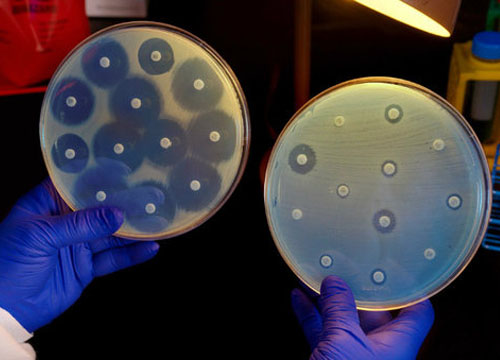
Drug-Resistant Bugs Surge During Pilgrimage Season
Scientists have detected a 20-fold increase in drug-resistant bacteria in South Asian waters during pilgrimage season.

US$12 Million In Grants Awarded For Neglected Diseases
Japan's Global Health Initiative Technology Fund has committed US$12 million in grants for neglected diseases and a potential tuberculosis vaccine.

More Work On HIV In Laos Needed
Though the incidence of HIV/AIDS in Laos is relatively low, more could be done to improve awareness and treatment coverage, say health officials.
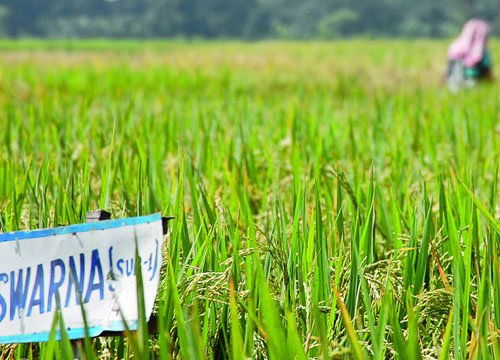
India-Australia Collaboration To Develop Stress-Tolerant Rice
The US$546,800 joint project between India and Australia aims to develop a drought and salt-resistant rice strain by introducing Australian resurrection grass genes.

Timid Jumping Spider Uses Ant As Bodyguard
Ants act both as guardians and predators of jumping spiders in a three-species interaction described by scientists.

Migration In China: Shifting Slightly But Still Going Strong
A study of migration patterns in China over 25 years shows that while labor intensive jobs have been successfully created in the interior, educated workers are still leaving for the coastal cities.

Study Shows HPV Vaccine Protects Against Cervical Cancer
By linking Queensland records of HPV vaccinations with the pap smear register, scientists have been able to show that vaccinations have been effective in protecting against cervical cancer.